
The Thesis Driven Innovation 100, 2026 | #51-100
Meet the 100 people shaping the future of the built world
Meet the 100 people shaping the future of the built world

A 90-minute tactical workshop for real estate professionals and vendors who want to get the most out of conferences
After years of false starts and regulatory confusion, a few serious projects are pointing toward what this technology can actually deliver for real estate


Dear Marc,
It's me, Brad. You probably don't know me, but I write about the future of real estate for a newsletter called Thesis Driven. And as my regular readers know, I have a soft spot for new cities. I publish an annual roundup letter of all the new cities under development around the world. It's a fun read; check it out.
Perhaps you will notice that in my latest post on new cities, I declared your new city project, Telosa, dead.
Apologies if I was off base there, but I didn't make the declaration lightly. You're clearly a decorated entrepreneur, having built and sold businesses for billions of dollars. And I think building new cities is something billionaires should do with their wealth, following in the footsteps of the Carnegies and Vanderbilts, building institutions from the ground up and modeling new ways of living.
You could build the city of the future, if you so choose.
But since releasing some very ambitious renderings of your planned city in mid-2021, the project seems to have gone nowhere. There have been no announcements or rumors of large land purchases, and at least according to LinkedIn Telosa does not appear to have anyone working on it beyond a handful of advisors and an engineer in Poland.
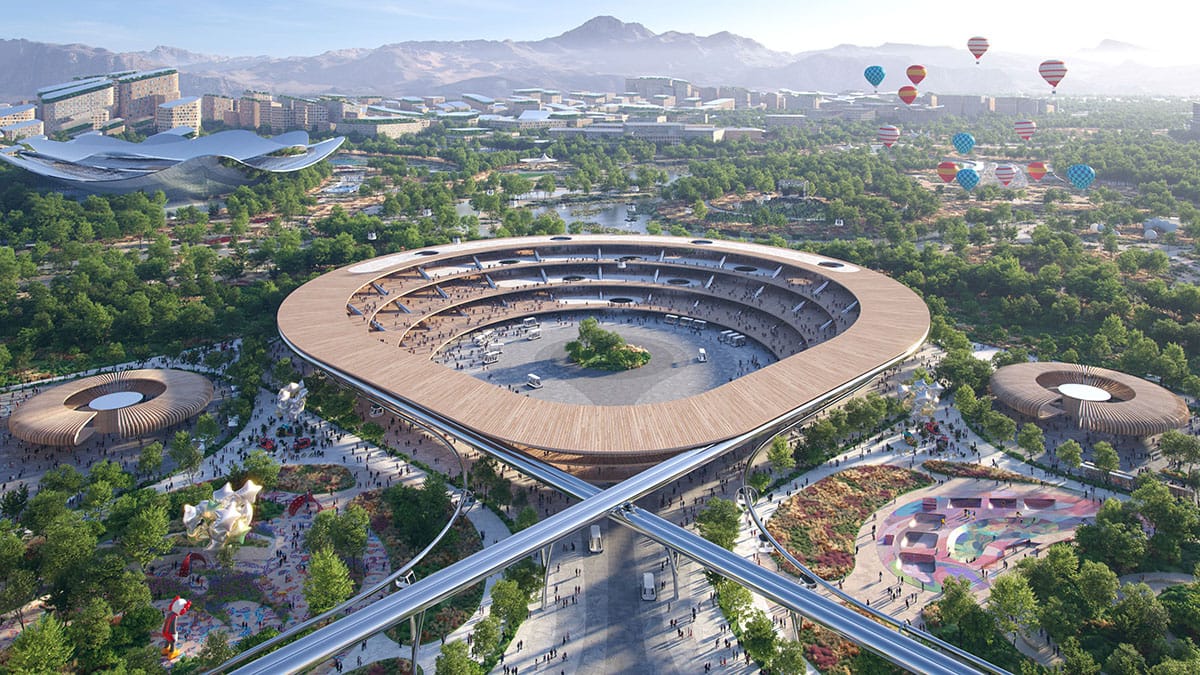
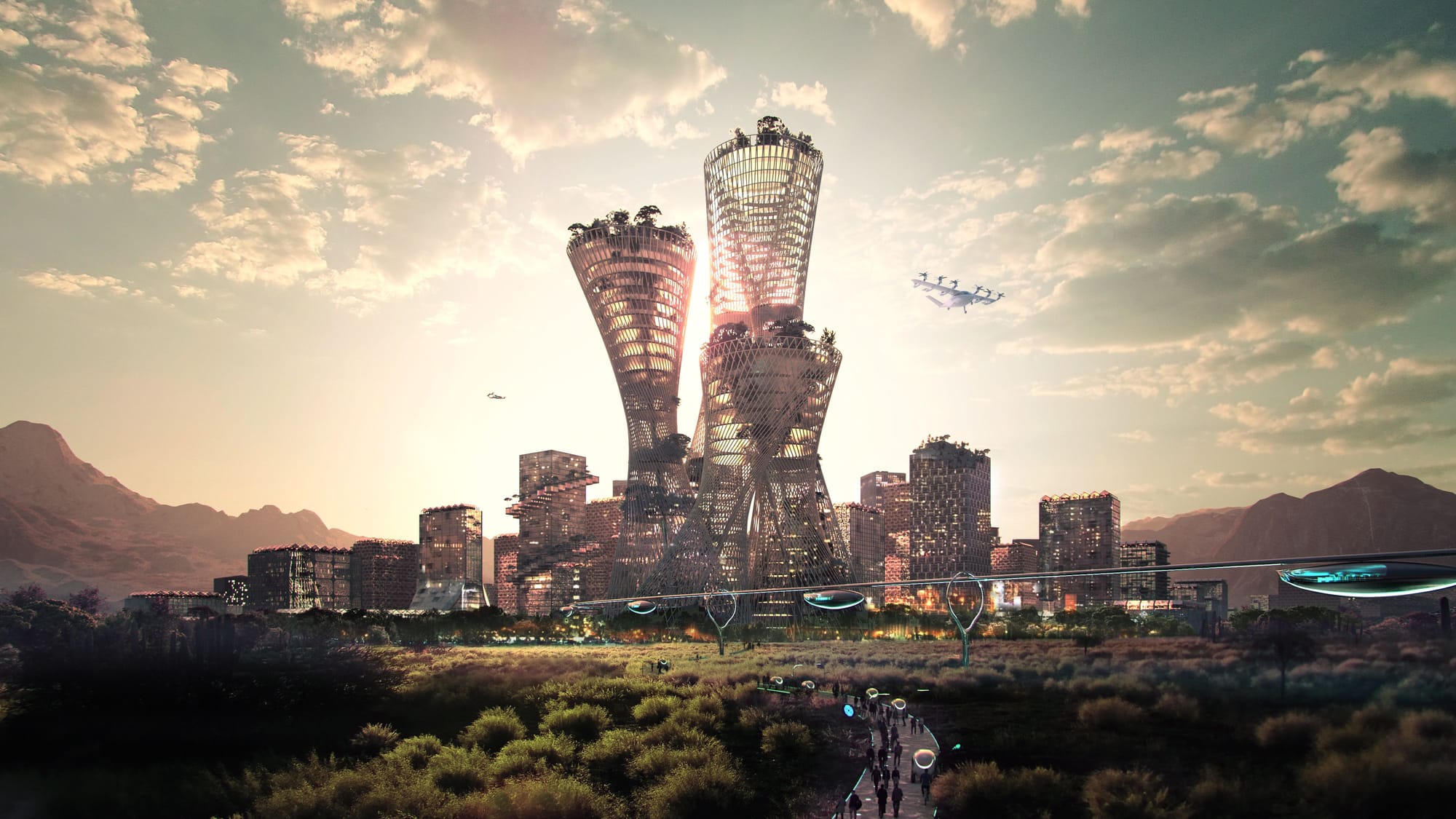
So you might think I'd be happy to see Telosa release a bunch of shiny new renderings in recent weeks in partnership with architecture firm Bjarke Ingels Group. You announced the name of Telosa's first building, Equitism Tower, a reference to your plan to "provide people with social services at a higher standard without adding to the financial burden on taxpayers." And you announced a prohibition on the ownership of fossil fuel-powered vehicles, a 'Sky Tram', and "a fund to protect the natural resources of the surrounding area and restore crucial habitats [...] in contrast to other cities worldwide."
Neither a site nor a development timeline, however, were mentioned. Telosa's expansive website has many things to say – we'll get to that in a bit – but makes no reference to a location or a plan for realizing the concept. Telosa's Wikipedia page refers to the intended location as "inexpensive desert" and cites "Utah, Idaho, Nevada, Arizona, Texas, and Appalachia" as potential destinations.
So please, I am begging you: either buy land and start swinging hammers, or shut up.
Once again, I love new cities. I've been rooting for California Forever and Jan Sramek since the beginning. I adore Seabrook's Casey Roloff. I'm a card-carrying Praxis member even though Dryden Brown kinda scares me. And I can even get behind NEOM after enough coffee.
But what Telosa is doing right now does not help anyone, including you. It is, at best, a marketing campaign for Bjarke Ingels Group, which is either clumsily targeting Western audiences or shrewdly positioning the firm to serve Global South autocrats aiming to build their new capitals; I can't tell and honestly don't care.
The primary headwind that people building new cities face today – even beyond local NIMBYism, capital markets skepticism, and construction costs – is the widespread belief that building new cities is simply not a thing which is done in 21st century America. New city building is the domain of cultists, lunatics, and dreamers. Anyone planning to do it is by definition one of those, and it's simply a matter of figuring out which.
Regardless, nothing will ever get built.
Of course, that's not true. Florida's Route 30A went from empty shoreline to one of my favorite places in under 40 years. Kiryas Joel carved one of the densest communities in America into the Catskills over the past three decades. And Roloff built a beautiful New Urbanist community on a wild section of Washington's Pacific coast. Each of those offers lessons you could build and expand upon.
We combat the narrative that all new city projects are lunacy by telling the story of real cities that have been built, by letting the builders tell their own stories of how they made it happen, warts and all.
On the other hand, we reinforce skepticism by pumping out content devoid of substance and context – lofty renderings and grand promises without concrete progress to show for it, framing new cities not as a viable way to build a better America but as a marketing exercise for starchitects.
Which is exactly what Telosa is doing right now.
Someone might also accuse Dryden Brown and Praxis of being all smoke and mirrors too. Where's his land? But at least Brown is doing something novel, approaching the problem in a unique way by developing a clear voice, distinct identity, and rabidly enthusiastic community – putting Balaji Srinivasan's network state theory into practice. Brown understands the moment in time and is building for that moment, haters and the New York Times be damned.
And Jan Sramek may never get his slice of Solano County built, with California Forever's plans dashed upon the rocks of California NIMBYism and bureaucratic fetishism. But it won't be for lack of trying. (Although they've made substantial progress this year, winning support from Solano County for the project's shipyard and winning support to approve the proposed new city via annexation into the existing City of Suisun). Even if they've fumbled some things along the way, they're all in. If Sramek goes down, he'll go down swinging.
An old mentor of mine liked to say that creating something new is like making a ham and egg sandwich for breakfast. In that sandwich, the chicken is involved and the pig is committed. Every new endeavor has its chickens and pigs, and it's important to figure out who is which.
When it comes to building new cities, people like Sramek, Brown, Casey Roloff, and Devon Zuegel are pigs.
You, sir, are a chicken.
Perhaps I am being unfair. Most new city concepts, after all, will never pour a single foundation or welcome a single resident. Why pick on Telosa, of them all? Why does this project specifically make me irrationally angry?
The thing about Telosa that I find most irksome isn't its lack of progress, nor its fancifulness, nor even BIG's over-the-top renderings. It's the grating pomposity with which the project approaches its ambition, talking down to its audience and peers while channeling the tsk-tsk of a European bureaucrat.
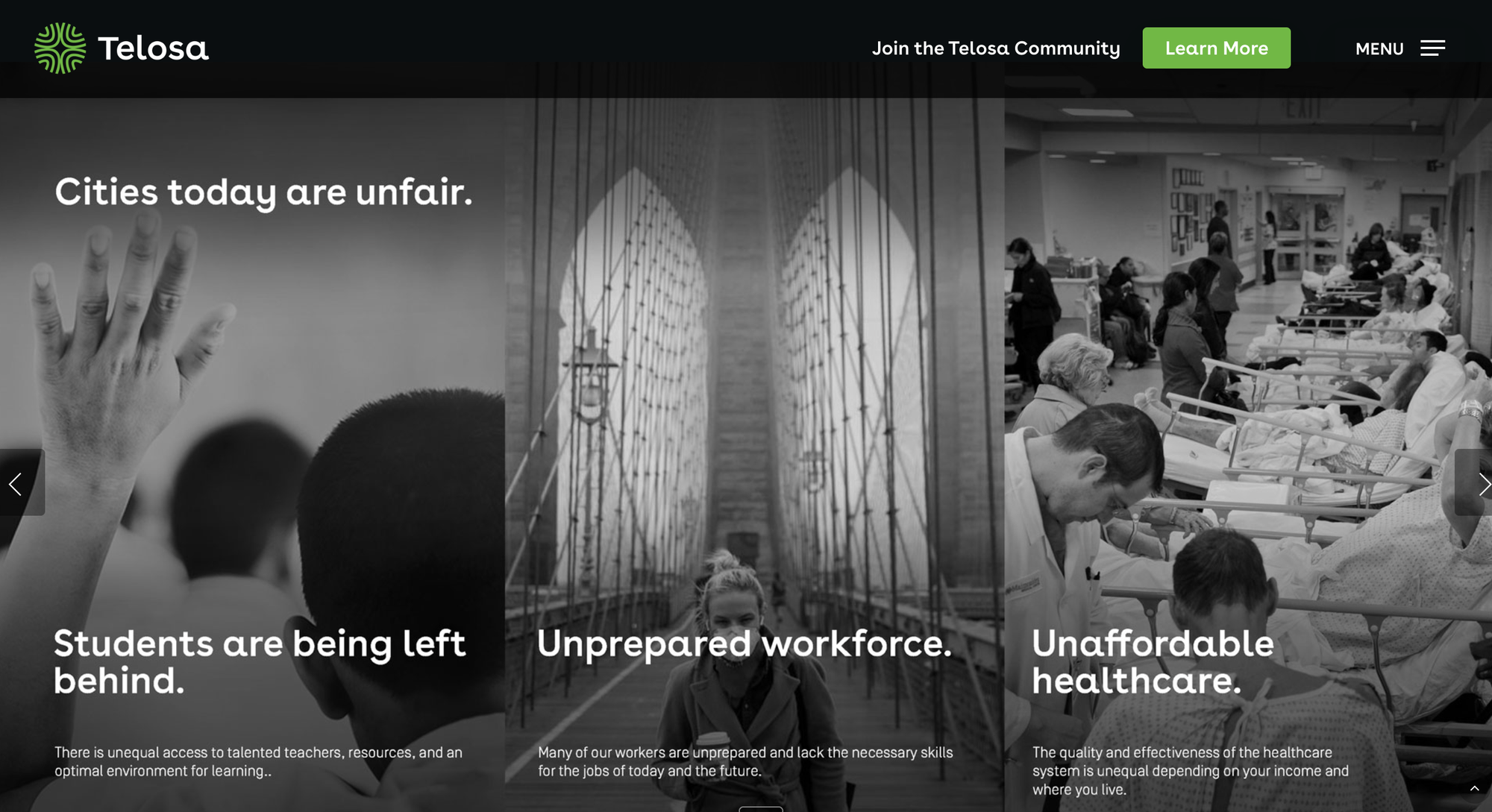
"Cities today are unfair," announces Telosa's website (alongside "not sustainable," "not open," and "not inclusive"), rattling off a litany of condemnations of modern urbanism, capitalism, and society itself. Problems which Telosa seeks to address include, but are not limited to, global warming, drinking water access, workforce development, healthcare affordability, home prices, public safety, traffic congestion, lobbying (?), and mismanagement of government funds. Sadly, your new city stops short of addressing the Middle East and Russia's invasion of Ukraine.
These are mostly genuine problems, no doubt. But aggregating them all on the landing page of a fanciful real estate project strikes me as an egregious example of Ezra Klein's "everything-bagel liberalism," the notion that we cannot solve one problem without solving all the problems. It's the kind of mindset that dooms the ambitions of far better capitalized state-led projects – and a death sentence for anything from the private sector.
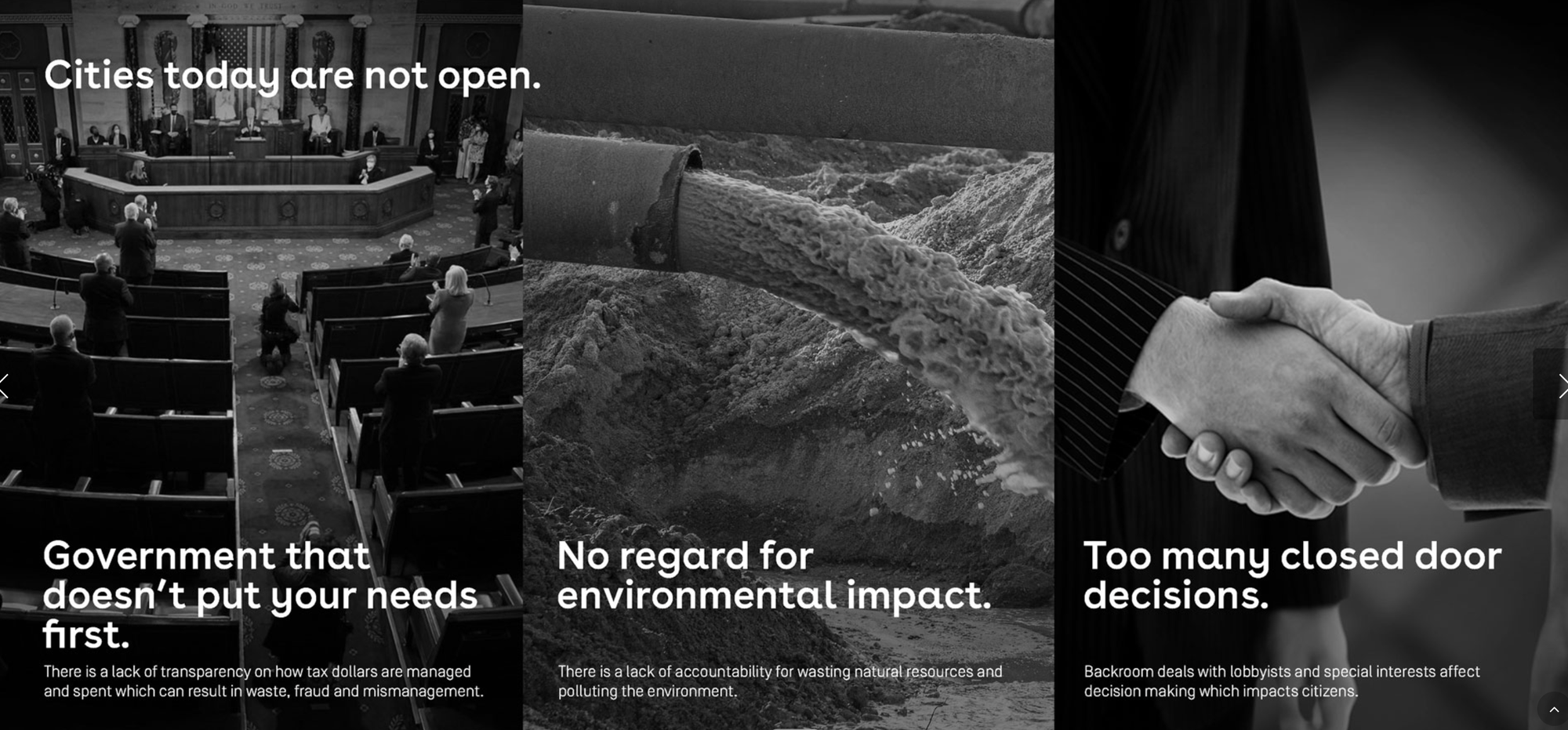
Taking this a step further, Telosa's tone and approach is not going to resonate beyond certain elite circles. The people who talk and think this way are already happily ensconced in Brussels, Washington, London, and New York, unlikely to embark on the kind of risk-taking needed to entitle, capitalize, build, and occupy a new city from scratch. Telosa employs the the language of consultants and regulators, not builders and creators.
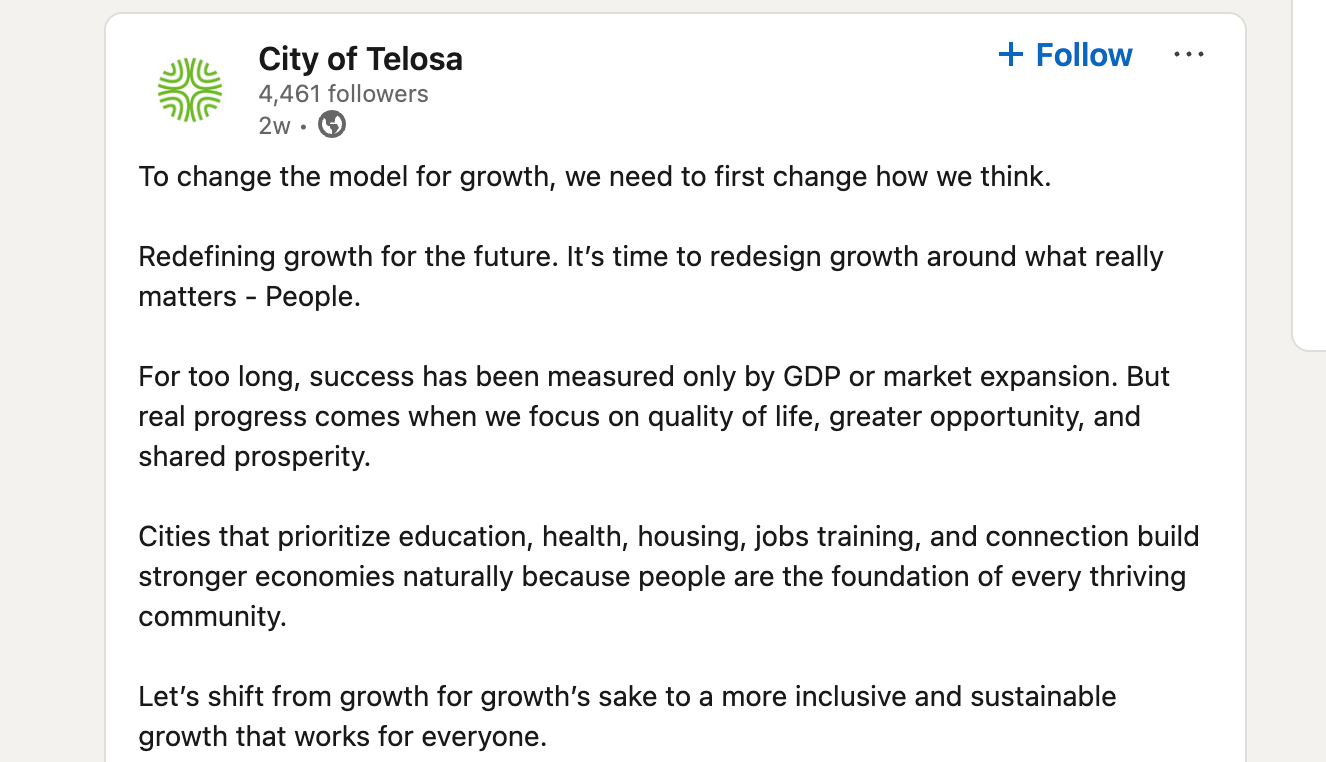
I'd be less judgmental here if Telosa were actually moving to realize its vision, keeping tangible progress on pace with its proclamations and pontifications. It's fine, great even, to criticize the status quo if you're working to build something better. But if you're tossing grenades and claiming to solve all the problems while fully insulated from the realities of buying land, winning over investors, securing entitlements, and building in the world of sticks and bricks rather than powerpoints and press releases... you're going to piss people off, and not in a good way.
I do believe there's space for a left-leaning, egalitarian version of Praxis. But anyone aiming to do that would have to grapple with the paralyzing, everything-bagel, process-oriented mentality that has made it so hard to build anything in left-leaning cities and states. Like him or not, the positive, get-it-done tenor of Zohran Mamdani would be a far better model than the mealy-mouthed vernacular of European bureaucrats on display here. The language of degrowth, in particular, has no place.
Marc, I'm tickled that you've made it almost 1,500 words into this letter. The good news is that this is all incredibly fixable with a few simple steps. If I were in your shoes, here's what I'd do to turn this around and make Telosa into the actual living, breathing city it should be:
Marc, believe me: I want Telosa to happen. We need new cities, new ideas, new enthusiasm and passion and drive pushing our society forward. We need more housing. We need new forms of transportation. We need places that are open to new technologies and approaches. Telosa can be that.
You've seen tremendous success to date, and I'd love to see you bring that track record here. Now let's get building.
Yours,
Brad Hargreaves

Our annual look at the successes, failures, and strange detours in global urban experimentation

An update on California Forever’s plans to build a 400,000-person city in Solano County

Exploring the attempts to build new cities around the globe, warts and all

Exploring the attempts to build new cities around the globe, warts and all
Covering the future of real estate and the people creating it