
What's Happening in Local Land Use | Q3 2026
Tracking three months of notable land use and zoning decisions with Shovels
Tracking three months of notable land use and zoning decisions with Shovels

As real estate's insurance-cost crisis grows, captives gain popularity and embrace membership-club selectivity

Eight lessons on why AI pays off for some firms and not others
Tracking three months of notable land use and zoning decisions with Shovels

Have some thoughts on local land use issues you'd like to share? Join the conversation on today's LinkedIn post.
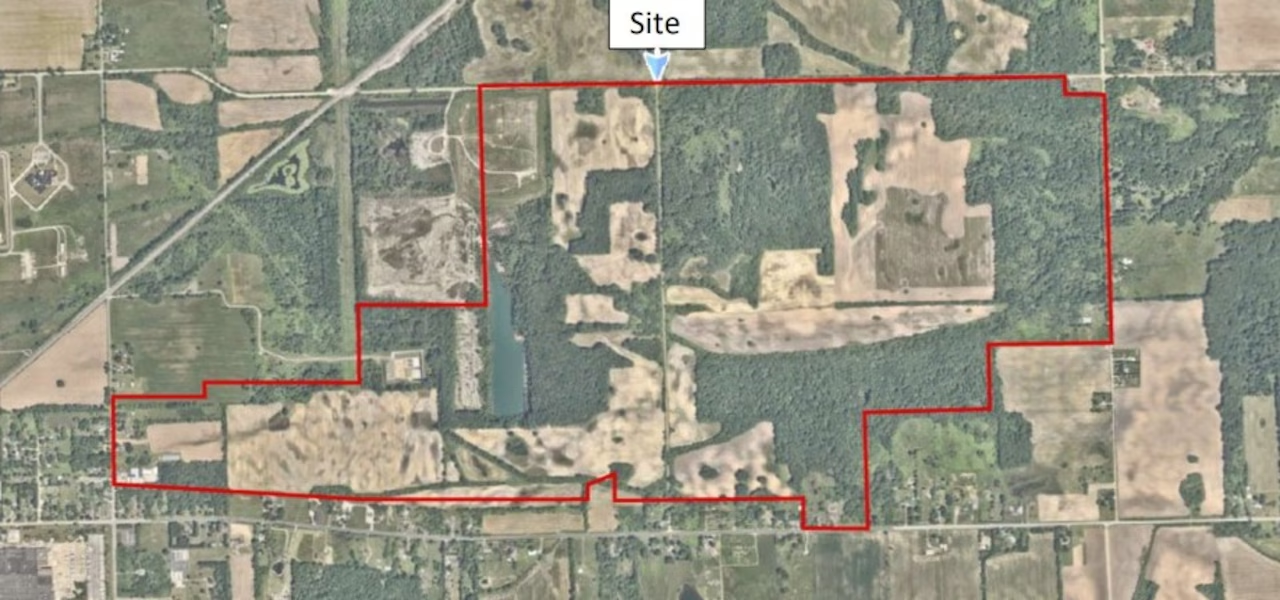
On August 4, voters in Augusta Township, MI, overturned a roughly 520-acre industrial rezoning for a $1 billion data center that the township board had already approved. About 90% voted against it, and residents are now preparing a recall to remove all seven trustees.
Augusta Township is an extreme case of a shift that ran through this quarter: in the months before the 2026 midterms, an unusual number of land use decisions usually left to councils and planning boards went to voters instead. On November 3, ballots will include 34 local data center measures, according to Ballotpedia, along with rent caps and property tax limits. Candidates for mayor and county executive are campaigning on opposite sides of housing and data centers.
Ballot measures are the most visible part of local land use, but most decisions still happen in thousands of planning board meetings that few investors follow. Each quarter, this regular Thesis Driven series uses data from Shovels Decisions, which extracts zoning and land use actions from those meetings’ agendas and minutes, to show where local policy is heading and what it means for real estate.
This quarter, councils pushed past zoning and funding into how existing buildings are run. Seattle capped the fees landlords can charge for lockouts and key replacements, and a New York City Council committee approved a bill that would let a harassment finding at one building trigger permit reviews at every building its owner holds. The data center moratoria we counted in Q2 began giving way to permanent rules, many of which require a public hearing for every new facility.
We look at each of these shifts below.
City council and planning board meetings are often held at 2 p.m. on a weekday, a time that suits city staff better than most residents. They disproportionately attract older homeowners, who tend to oppose new housing. The people with time to show up end up shaping what gets built.
But an election changes who decides. When a land use decision is too contentious for the normal council process, it can go directly to voters. It can get there in three ways, depending on state law and the city charter:
Officials who make contentious land use decisions are also facing voters themselves. Across the country, incumbents are being judged on how they handled land use, and several have already lost their primaries.
Data center backlash
Data centers have already ended several political careers this year.
In Box Elder County, UT, two county commissioners lost their June 23 Republican primaries, 54-46 and 52-48, after voting to let the state's Military Installation Development Authority (MIDA) create a project area for Stratos, a hyperscale campus backed by Kevin O'Leary on about 20,000 acres north of the Great Salt Lake. That designation lets MIDA override county zoning. "Do I think that the data center vote cost me the election? Yes I do," Commissioner Lee Perry told Utah Public Radio. The same night, Senate President Stuart Adams, who had advanced the project as MIDA's chair, lost his own primary to Stephanie Hollist; KSL reports it is the first time in modern Utah history that a sitting Senate president has lost a primary.

In Calvert County, MD, all three Republican commissioners lost their commissioner primaries in June, including District 2’s Mark Cox Sr., who had defended his opposition to a data center moratorium. His challenger, Kenneth Lee, made data centers the centerpiece of his campaign: “I’m a ‘hell no,’” he said. The backlash hit Democrats too. In Frederick County, MD, Council President Brad Young finished third in a race for two seats after the council expanded its Adamstown data center zone by about 1,000 acres. State Del. C.T. Wilson (D) framed the issue as “billionaires versus the rest of us.”
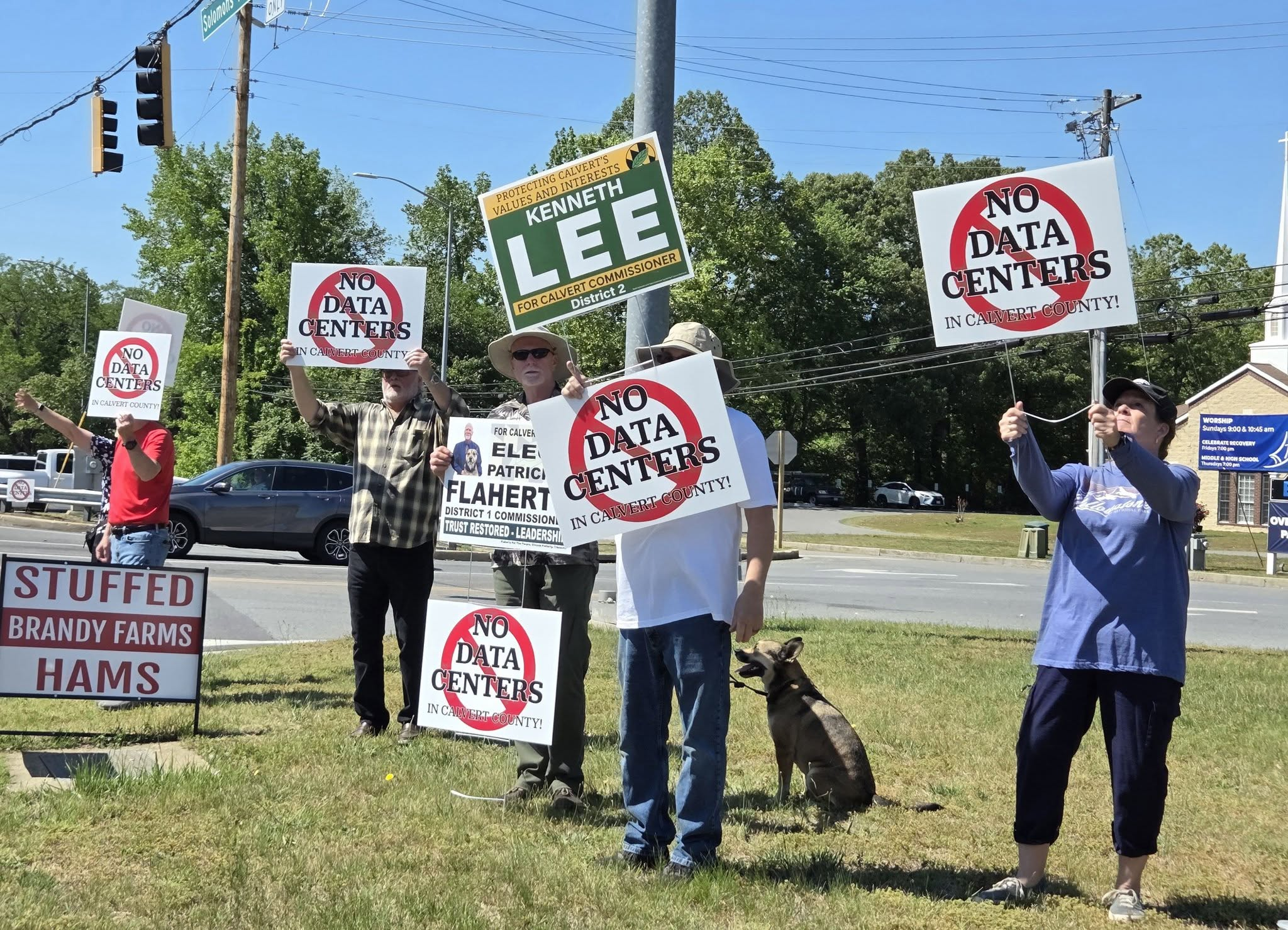
Some fights have led to recalls. In Independence, MO, two council members who voted for tax breaks for Nebius, an AI infrastructure company, lost reelection in April, and on September 1, about 68% of 1st District voters recalled Mayor Pro Tem John Perkins, the first recall of a council member in the city's history. In Edgecombe County, NC, a challenger whose yard signs read "Vote no for data centers" beat a four-term commissioner 337 to 162.
Data centers are also on the ballot directly. Ballotpedia counts 38 local data center measures in eight states this year, 34 of them on November 3, and 20 in Ohio alone. Of those, 82% got there by citizen petition, and all four decided so far went the restrictive way. The November slate includes bans in El Dorado and Ottawa, KS, Alhambra, CA, and Edgewater, FL; Solano County, CA's $5-per-square-foot data center tax (discussed below); and recall elections in Yukon, OK, and San Angelo, TX. Boulder City, NV, is the rare exception, asking voters to allow data center leases on city land.
Housing races and measures
Housing races this year turn on two questions: how much new supply to allow and how tightly to regulate rents in existing buildings.
The most closely watched race is in Los Angeles, CA, where Mayor Karen Bass faces Councilmember Nithya Raman in a November 3 runoff. Bass opposed SB 79, the state law allowing apartment buildings up to nine stories near rail, and favors fewer upzones in single-family neighborhoods; Raman supports SB 79 with a "gentler implementation" in those areas. "We need to build more housing in Los Angeles, but we need to build it across every single neighborhood," Raman said, according to Commercial Observer. The Apartment Association's Daniel Yukelson said its members would never consider "a socialist candidate" like Raman, and many had leaned toward Republican Spencer Pratt, who finished third in the June primary and is out of the race.
In Washington, DC, democratic socialist Janeese Lewis George won the Democratic mayoral primary 52.9% to 36.4% over Kenyan McDuffie, whom much of the real estate industry backed. Her platform pairs a goal of 72,000 new homes in five years (six-unit buildings legal citywide, no parking minimums, a permitting shot clock and a public developer) with expanded rent stabilization. Developer Richard Lake called expanding rent control "a death knell to production," Bisnow reported.
Next door in Montgomery County, MD, Councilmember Will Jawando, the most visible defender of the county's rent stabilization law (increases capped at CPI plus 3% or 6%, whichever is lower), won the Democratic primary for county executive after opposing a density package along transit corridors.
Voters will also decide several housing measures directly:
Property tax limits
The most consequential real estate measure on any November ballot may be in Florida. Amendment 3 would raise the homestead exemption on non-school property taxes to $150,000 in 2027 and $250,000 in 2028, then index it to inflation, and would cut the annual cap on assessment increases for non-homestead property from 10% to 5%. It’s a change that would reach every rental and commercial property in the state. It needs 60% to pass, and recent polls put it between 45% and 55%, according to WPTV and RISMedia. Still, local governments are already planning for it: Polk County budgeted for a potential loss of more than $100 million in property tax revenue, and Tampa froze raises for staff earning over $150,000 "until Amendment 3 is resolved."
For rental owners, it cuts both ways. The 5% cap slows assessment growth, but if cities and counties raise millage rates to replace lost homestead revenue, the burden shifts to everyone else. A study by tax analyst Jared Walczak, released by the Florida Housing Coalition, estimates that scenario would raise 2028 property taxes by $406 per apartment and $1,081 per single-family rental.
Polk County Sheriff Grady Judd’s verdict on the amendment: “It’s a train wreck.”
Two other states have related measures on the ballot. Wyoming's Proposition 1, the state's first certified citizen initiative in decades, would exempt half the assessed value of owner-occupied homes; rentals don't qualify. Oklahoma's State Question 847 would tighten assessment caps from 3% to 1.75% for homesteads and from 5% to 4% for everything else.
San Francisco’s Prop J targets a different tax. It would end the transfer tax exemption for foreclosures on commercial buildings and those with five or more units, starting in March 2027, so a lender taking back the keys would pay the city on the way in.
Other places want to shift part of the property tax burden onto sales taxes. Greenville, SC, is asking voters for a 1% sales tax to fund 521 projects costing $410 million, with at least 20% of collections going to a property tax credit for owner-occupied homes only. Rockdale County, GA, wants a 1% sales tax to cut the millage rate itself, so rental property would share in the savings. For landlords, the same tax produces opposite results.
Annexations and rezonings
Annexation has become a frequent referendum target. In Prescott Valley, AZ, residents forced Proposition 492, a vote on annexing 652 acres for up to 3,491 homes. In Castle Pines, CO, a citizen initiative would require a citywide vote on any annexation over 20 acres; Mayor Tracy Engerman predicts that if it passes, "I don't think we're going to actually see any annexations." In Half Moon Bay, CA, opponents forced a referendum on 40 affordable apartments for senior farmworkers on city land, drawing a lawsuit threat from Gov. Gavin Newsom.
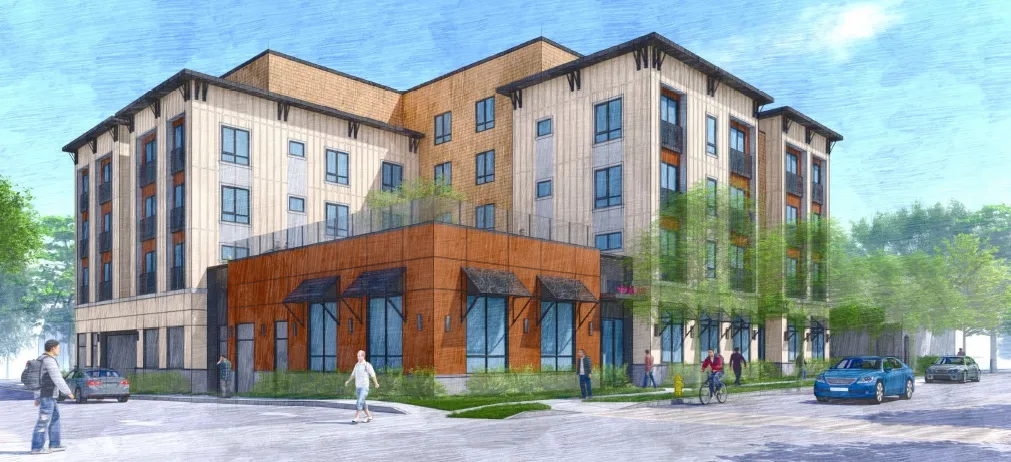
Ballot fights over what can be built are nothing new. This year, an unusual number of measures target existing buildings, through rent caps and rental licenses. We haven’t seen that at this scale since we began tracking council decisions in 2024.
For most of the last decade, the local housing fight was over entitlements: what could be built, where, at what height and with how much parking. This quarter, the most aggressive new rules went after how landlords run their buildings, from the rent roll and the lease to the fee schedule. Several cities, New York most visibly, are loosening the rules for building while tightening the rules for owning and operating.
Some industry observers half-jokingly refer to it as “communism for landlords and capitalism for developers.”
In Rockville, MD, the mayor and council rewrote Chapter 18 of the City Code on July 6 to ban algorithmic rent pricing tools, and require landlords to offer every new tenant a two-year initial lease. Tenants can now hire a licensed contractor to fix health and safety violations and deduct up to two months’ rent if the landlord fails to act; applications can no longer ask about eviction history; and landlords must disclose all mandatory fees and estimated utility costs before signing. The rules take effect January 1, 2027. The pricing ban is the provision operators will watch most closely, since it targets the kind of revenue management software that has drawn antitrust suits against RealPage.
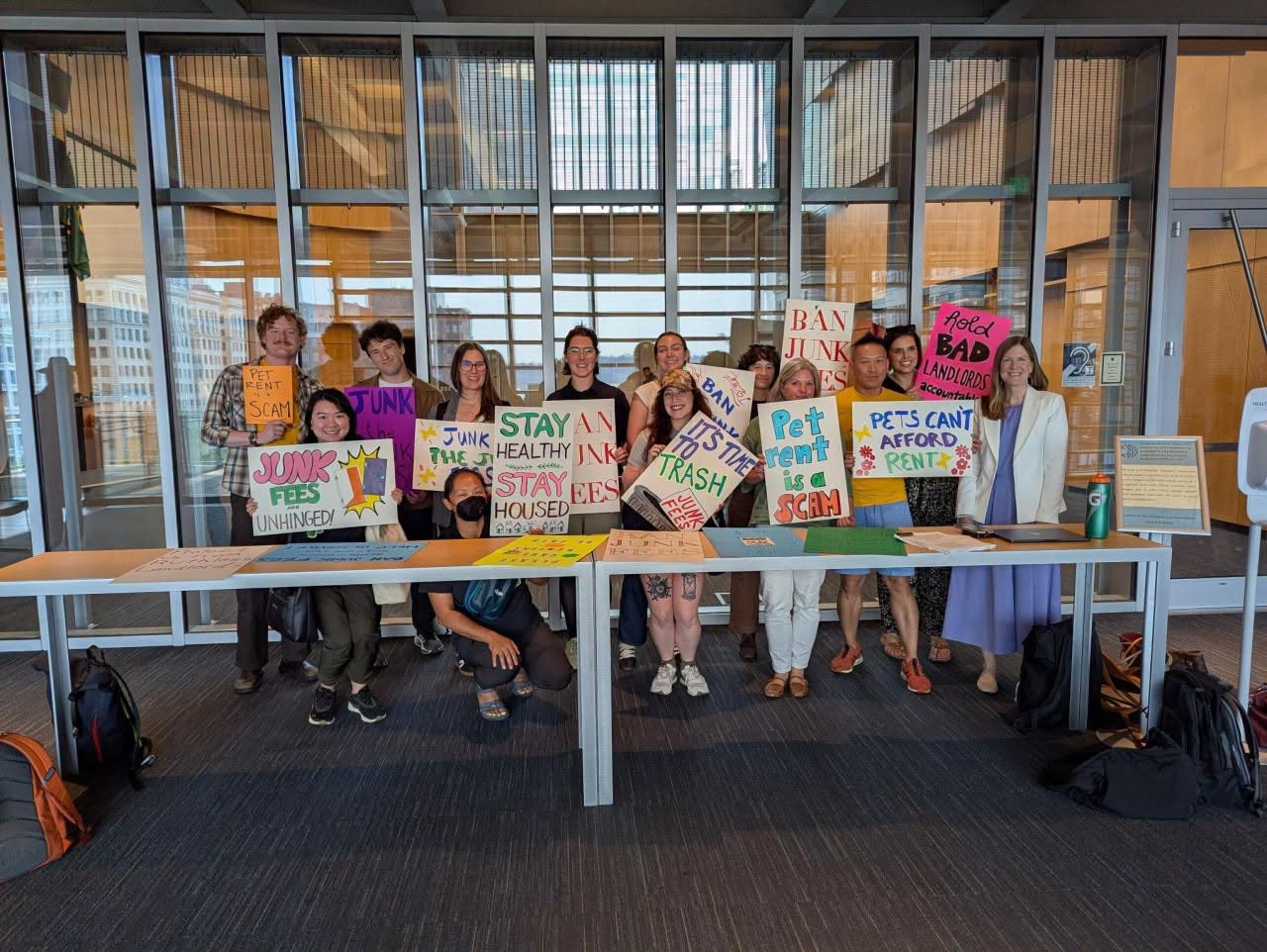
Seattle went after ancillary income, an increasingly important source of revenue for operators. Its junk-fee bill, CB 121254, passed in August and takes effect July 1, 2027. Landlords must list every fee in advertisements and applications and can’t bundle optional services unless they also sell them separately. The bill also caps some common fees:
Violations carry up to $4,000 in civil damages plus attorney’s fees, with a 30-day window to cure by refunding the tenant. The cure provision is written around refunds, so it’s unclear how the city will enforce the rules against noncompliant ads.
New York City is going after the capital plan, the renovations and redevelopments that value-add investors underwrite. Since 2018, the city has run a pilot called the Certification of No Harassment (CONH), aimed at landlords who push tenants out so a building can be gutted or torn down. In covered buildings, an owner can't pull Department of Buildings permits for demolition, material alterations or a change of use until the Department of Housing Preservation and Development (HPD) certifies that no tenant harassment occurred there in the prior five years. Coverage is narrow by design: single-room-occupancy buildings, a handful of special districts in Manhattan and Brooklyn, and a pilot list of more than 1,000 buildings flagged for physical distress, ownership changes or vacate orders.
An owner found to have harassed tenants is barred from those permits for five years, unless it signs a "Cure Agreement" setting aside 20 to 25% of the building's residential floor area as permanently affordable housing for households earning 40% to 60% of AMI. On August 13, the City Council's Committee on Housing and Buildings approved Int. 0839-2026, which would make the pilot permanent ahead of its scheduled September 2026 expiration and expand it to buildings with a full vacate order in the past five years, plus any property under common ownership with a building where harassment was found. HPD would also have to publish the covered list monthly. For a value-add buyer, the seller's tenant history (and the history of the seller's other buildings) would travel with the permit file.
A month later, the same committee heard the Community Opportunity to Purchase Act (COPA), but held it without a vote. The bill would extend the city’s reach from the renovation to the sale. It would give certified nonprofits a right of first offer and first refusal on distressed buildings of four or more units, meaning those with heavy housing code violations, in the city's Alternative Enforcement Program, or with expiring affordability restrictions. Before selling, an owner would have to notify HPD and every qualified nonprofit; the nonprofits would then get 20 days to express interest, 70 days to submit an offer and 15 days to match any third-party bid.
The push has also reached commercial property. On September 1, the Los Angeles County Board of Supervisors approved a motion from Supervisor Holly Mitchell directing staff to design a Commercial Rental Property License for unincorporated areas. Landlords would need a license to lease commercial space, and the application would disclose rents, lease terms and any history of code violations or harassment findings. Landlords who cap increases at 3% a year for ten years would earn a “Special Status” license with procurement and tax incentives.
The license by itself is not rent control on commercial leases, which California law generally bars local governments from imposing. But licensing and disclosure can have a similar effect, and a companion proposal requiring relocation assistance for commercial tenants displaced by new development would push further in the same direction.
We counted 87 data center moratoria last quarter; this quarter, we tracked substantially more. While the number of moratoria continues to increase, they have become a routine first step: a municipality facing its first data center proposal pauses applications, usually for a year, and uses the time to write permanent rules. This quarter, we’re shifting our attention to those rules.
The rules adopted or proposed so far look much alike. Data centers lose their by-right status in industrial zones and become a conditional or special use, which means each project needs a public hearing and can be denied. The conditions are converging too, around large setbacks, noise limits, closed-loop cooling and decommissioning guarantees:
Power remains the hardest constraint, and some developers have stopped waiting for the grid. In Storey County, NV, the Planning Commission approved a special use permit for Fleet Data Centers to build a natural gas plant at the Tahoe Reno Industrial Center as a “bridge solution” until NV Energy’s grid infrastructure arrives. Keeping it fueled will take 72 to 80 tanker truck deliveries of compressed natural gas per day. Next door in Lyon County, the Planning Commission voted 4-3 to recommend Copia Power's Monarch campus: 4.6 million square feet and 1,000 megawatts on 505 acres, with its own 500-megawatt battery system and 500-megawatt gas backup.
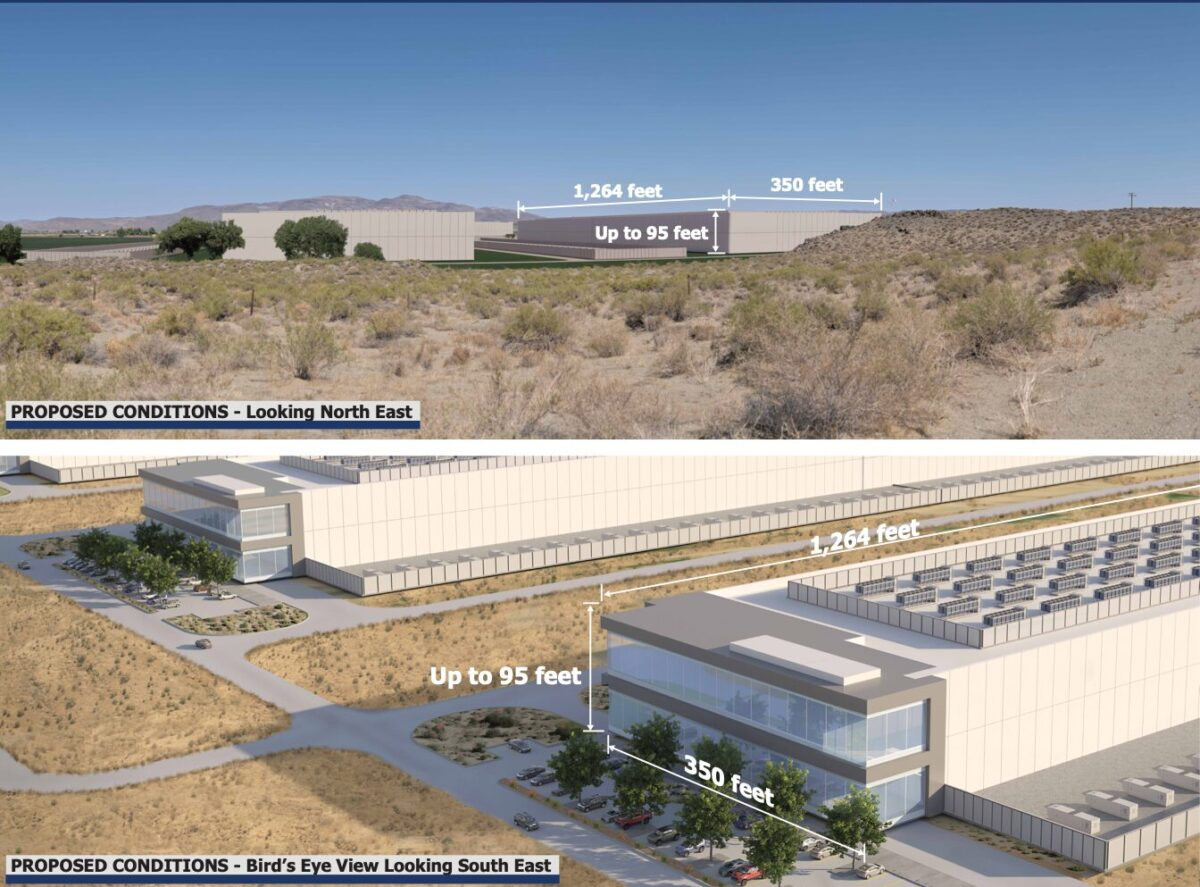
Other proposals are designed to answer the objections that produced the moratoria in the first place. Glendale, AZ, is leading with fiscal returns. Its city council reached consensus on August 25 to begin annexing 160 acres of farmland for "Project Eagle," to be zoned heavy industrial and limited by a planned area development to data centers and gas generation; the city's consultant projects $18.1 million a year in net fiscal impact.
In Saint Paul, MN, DG Energy & Infrastructure took on the environmental objections. It presented a $662 million data center inside an existing 167,000-square-foot industrial building, powered by 48.75 megawatts of Bloom Energy fuel cells with no diesel backup. The company says the facility would use 98% less water than a conventional one, and send its waste heat to more than 200 buildings through District Energy St. Paul. It is still only a presentation, but it answers almost every objection raised so far at once.
Utility contracts are changing too, and an agreement in New Mexico offers a template. In August, the Los Alamos County, NM, Board of Public Utilities approved a new Electric Coordination Agreement with the Department of Energy, worth about $424 million over ten years, that requires the federal agency to bear the added costs if service ends early. The provision protects local ratepayers from paying for assets built mainly to serve Los Alamos National Laboratory. Swap the national lab for a hyperscaler and that is the clause every county with a large-load customer will want.
The clearest example of pricing data centers instead of prohibiting them is in Solano County, CA. On July 28, its Board of Supervisors put Measure E on the November ballot. It would set the county's business license tax on data centers at $5.00 per square foot, up from the $0.12 originally proposed, or about $2 million a year for a single 400,000-square-foot facility.
The board was explicit about the logic: if the state overrides local land use authority and mandates these facilities, the county at least gets paid.
Shovels Decisions uses AI to extract development actions from public agendas, staff reports, and meeting minutes, turning scattered municipal records into structured, searchable data. The dataset makes it possible to see local development policy as a connected system.
If you want to track decisions like these, create a free Shovels account or inquire about custom solutions.


A quarterly read on early-stage feasibility activity with our friends at TestFit

How a new model for rural communities built on shared identity is driving both demand and backlash

For the past couple of years, I've been investing in rural land alongside Wayne Congar, founder of HUTS.
Covering the future of real estate and the people creating it