
The Rise of Tour Intelligence
A new generation of companies is betting AI can make the human leasing agent better
A new generation of companies is betting AI can make the human leasing agent better

Tracking three months of notable land use and zoning decisions with Shovels

As real estate's insurance-cost crisis grows, captives gain popularity and embrace membership-club selectivity
Here are the deep dives that most shaped our thinking this year

We published a lot in 2025. More than a hundred letters and 200,000 words spanning capital markets shifts, novel investment strategies, tech trends, macro narratives, and the strange edges where real estate keeps reinventing itself.
As we close out the year, I feel tremendous gratitude to our almost 25,000 subscribers and thousands of paying members for making Thesis Driven a reality. Thank you!
Today's letter is a look back at the ideas that stuck: the Thesis Driven letters from 2025 that most shaped how we think about the built world and where it’s headed next.
Our most controversial letter of the year was perhaps also our most misunderstood. We love dogs. Who doesn't love dogs? But there are just too many of them in America’s urban centers. Canine ownership has surged over the past decade, at the same time that the number of children raised in cities has fallen sharply. Causation or correlation? The New York Times might argue the latter, but it’s tough to ignore the fact that cities seem to be redesigning more public spaces more around the needs of dogs and their owners, not children and their parents. And don’t even get us started on pit bulls.
 Brad Hargreaves
AI is finally taking hold in multifamily operations, radically reshaping everything from leasing and customer service to accounting and maintenance. While debates about its limits continue, there’s little disagreement that automation and centralization will steadily replace many on-site roles. That shift is already visible as owners accept per-unit fees for centralized services in place of on-site salaries, altering how management value is priced. This became one of our most-read newsletters of 2025 by asking an uncomfortable question: as delivery costs collapse, what happens to fees—and who actually captures the savings?
 Brad Hargreaves
When is a second home not a second home? When it’s a first home.
Millennials are buying vacation homes at unusually high rates, more often before they ever buy a primary residence. This letter traces how lower-cost homes far from major metros are becoming entry points to ownership, doubling as weekend retreats, remote-work bases, social hubs, and occasional income generators, long before they’re ever a full-time residence. As Wayne Congar, founder of HUTS, a developer who serves this messy middle market, put it, “There’s no category for this. It’s not really a primary home, not really a second home, and not a forever home.” That in-between status is reshaping how these homes are designed, financed, and marketed.
 Brad Hargreaves
Patagonia Provisions beer. Capital One Cafes. Birkenstock bedding. We're living in the golden age of mashups, where brands and even entire industries stretch sideways, merge, and trade consumer recognition and cultural cache to attract new audiences. Guest writers Jake Rynar and Andrew Johnson show how this crossover logic is now reshaping physical space itself. Offices borrow from hotels, retail borrows from cafés, and single-purpose buildings give way to places designed for work, leisure, and identity at once. Real estate, they argue, is becoming the ultimate mashup platform.
 Jake Rynar
Institutional ownership of single-family housing has become an easy villain, but the data tells a different story. Mega-scale buyers like Blackstone don’t meaningfully crowd out homebuyers—and they actually play an outsized role in giving renters, many of whom couldn't clear a 20% down payment, access to good schools and stable neighborhoods. What stuck with me was the inversion at the heart of the debate: laws aimed at “protecting families” would mostly shield small investors while narrowing options for working households. If we want more ownership, we need more new homes and better credit availability for qualified buyers.
 Brad Hargreaves
This newsletter still hits close to home. The small but resilient Thesis Driven team spent the better part of the year on a nomadic quest to find a few desks to work at in Manhattan. Simple for a bunch of experts on the future of work and NYC real estate, right? Not quite. We ran head-first into the reality that “flex office” coworking is now built primarily for enterprise, not small teams. As venture-backed operators chased scale, they’ve moved away from the old rent-a-desk model.Update: Three Four moves later, we solved the problem ourselves by setting up shop in our first dedicated office.
 Brad Hargreaves
America’s housing shortage and healthcare crisis are increasingly the same problem viewed from different balance sheets. This letter shows how OpCo–PropCo structures allow housing to function as Medicaid-funded care infrastructure. The result is steady demand, long leases, and cash flows tied to outcomes the system already pays for. When housing replaces a hospital bed, the economics start to look less like multifamily and more like healthcare infrastructure.
 Brad Hargreaves
Higher education’s slow-motion collapse is turning into a real estate story. As enrollment falls and tuition economics break, hundreds of lower-tier colleges are shutting down and pushing entire campuses onto the market at distressed prices. What makes these niche assets so compelling is their scale and form: dense, walkable, mixed-use environments that would be nearly impossible to build under today’s codes.
The opportunity is real but uneven. Urban campuses convert relatively cleanly into housing, offices, or cultural uses, while rural campuses only work as new assets if a new reason for people to show up can be created from scratch.
 Brad Hargreaves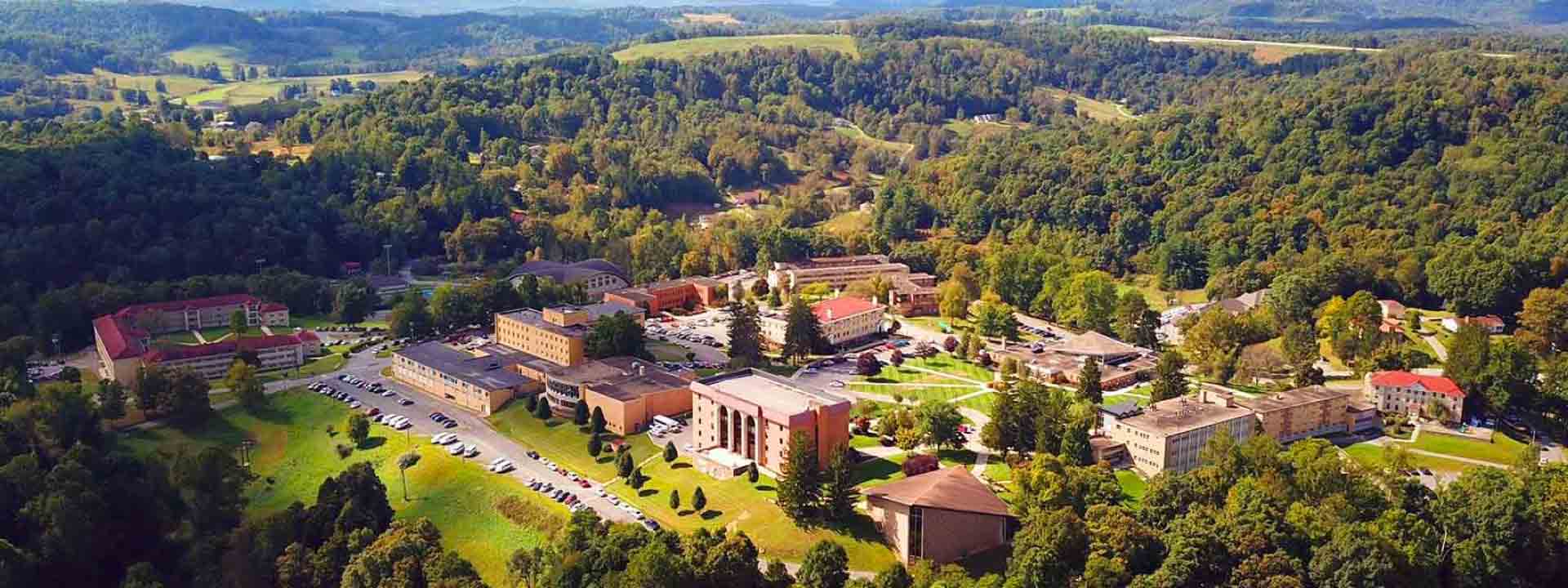
Real estate has always relied on one assumption: there will be more people tomorrow than today. This piece asks what happens when that stops being true. With birth rates collapsing across the developed world and immigration increasingly constrained, population growth can no longer be taken for granted. The takeaway isn’t that development ends, but that it likely decreases and becomes more targeted. In a shrinking world, real estate will be a game of precision, not breadth.
 Brad Hargreaves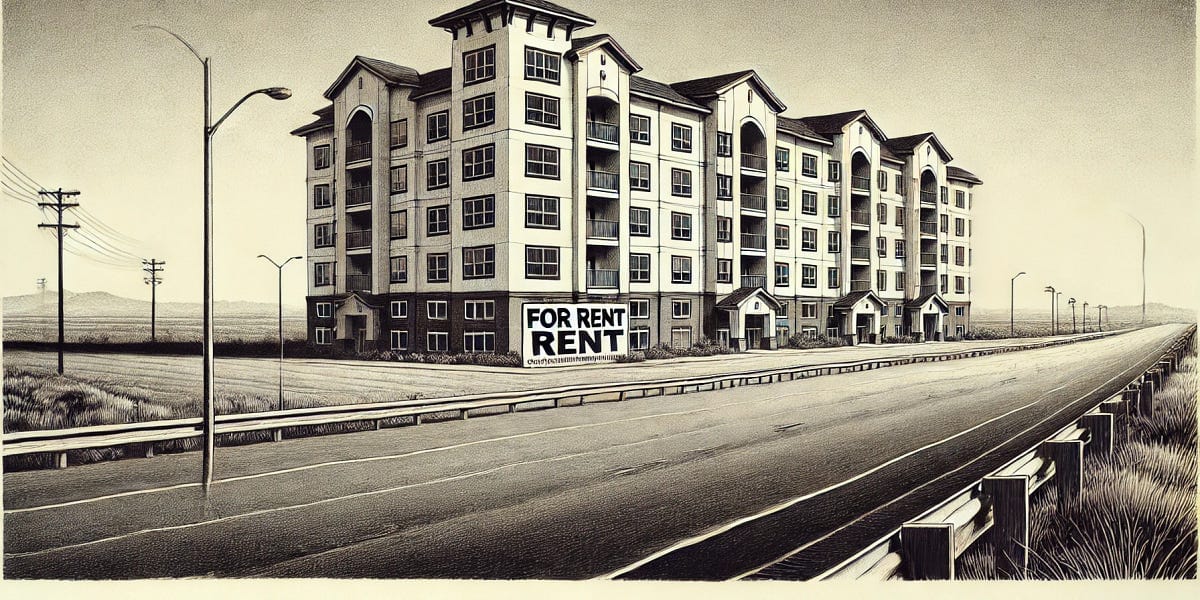
Welcome to Asimov Management, a full-service multifamily property manager where everything is done by AI and automation, and there’s virtually no human staff. No, it’s not real, just another of our thought experiments on how much of the real estate process AI can eventually take over. We stitched together our hypothetical operator almost entirely out of existing tools and systems, bringing people into the mix only when necessary. Good news: AI can’t yet clean toilets or install GFCI/AFCI outlets. Unnerving news: it can do just about everything else.
 Brad Hargreaves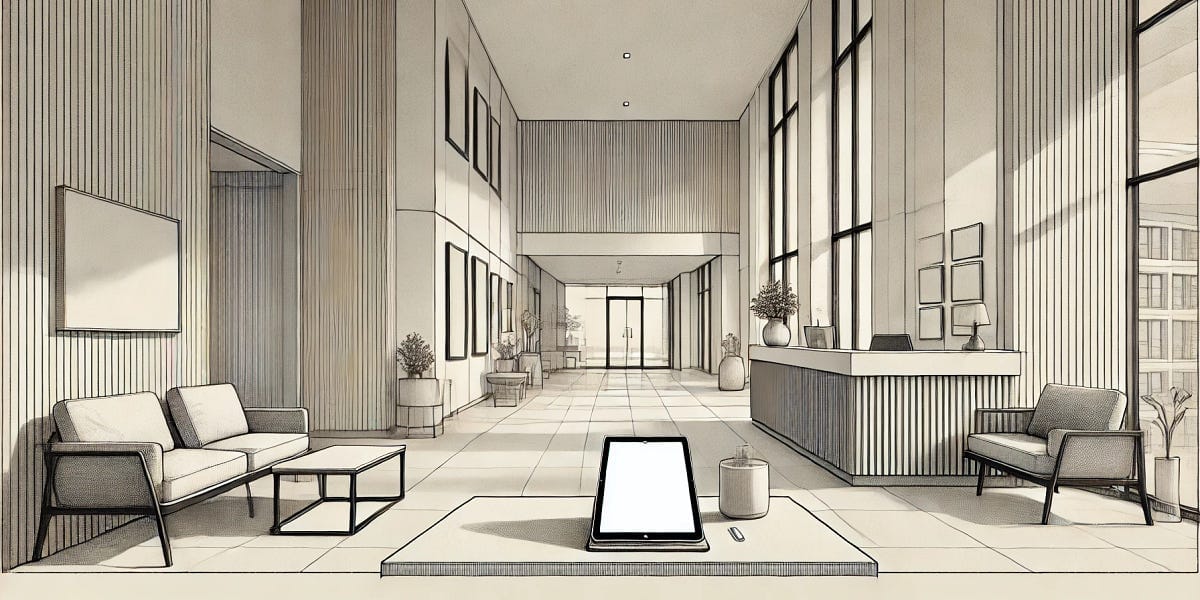
One of the clearest themes this year was the rise of niche assets as durable, high-yield opportunities, and few drew more interest from Thesis Driven readers than Industrial Outdoor Storage. Co-written by Kristina Chang and Stew Cedarleaf, this letter explains how land-constrained logistics uses, restrictive zoning, and operationally simple sites can generate strong yields without heavy capital spend. IOS tenants span fleets, construction, and port-adjacent users who value location and flexibility over buildings. It’s a sharp example of how some of today’s most attractive returns sit outside traditional asset classes.
 Kristina Chang
Cloudland operates in a part of the capital stack many real estate investors avoid: too early for institutions, too asset-heavy for venture. We explain how Jonathan Reindollar and his partners back operators at the PropCo level, underwriting real estate fundamentals while stepping in earlier than traditional equity would. The advantage comes from timing correctly, structuring patiently, and letting aggregation compound over time.
 Brad Hargreaves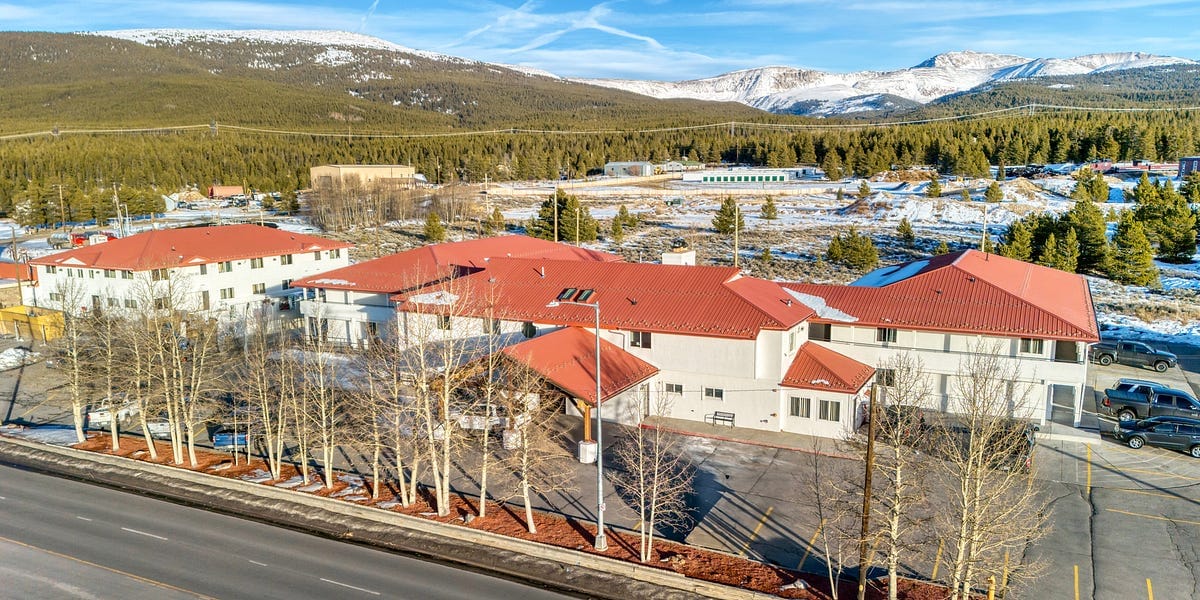
Can anyone blame multifamily operators for having a serious case of tech fatigue?
A decade of VC-fueled proptech development has produced a confusing tangle of point solutions, leaving owners juggling logins, contracts, and fragile integrations. In response, vendors and platforms are borrowing an idea from consumer tech: leaning into app store-style models tailored to each operator and need. AppFolio, Revyse, and Venn represent three versions of the same bet: the next phase of proptech will be judged less by new tools and features than by how much friction it removes.
 Brad Hargreaves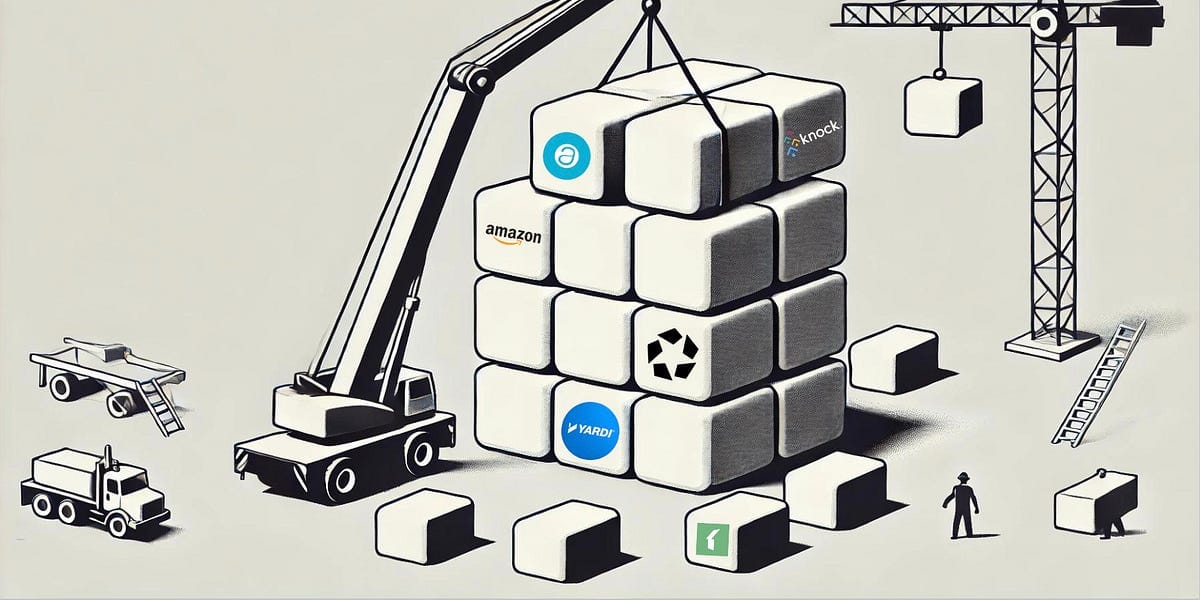
Families with children under twelve have precious few places where the entire brood can spend uninterrupted hours together. Legacy country clubs solve that problem in theory, but they’re expensive, scarce, and built around priorities (e.g., golf) that don’t fit modern family life. Radical Play fills the gap by acquiring obsolete neighborhood office buildings and converting them into family-focused clubs centered on pools, childcare, and structured kids’ programming. The real estate thesis is straightforward: older office sites often sit on oversized parcels, face neighborhood opposition to higher-density redevelopment, and trade below land value. Paired with a modern membership model, those constraints become competitive advantages.
 Brad Hargreaves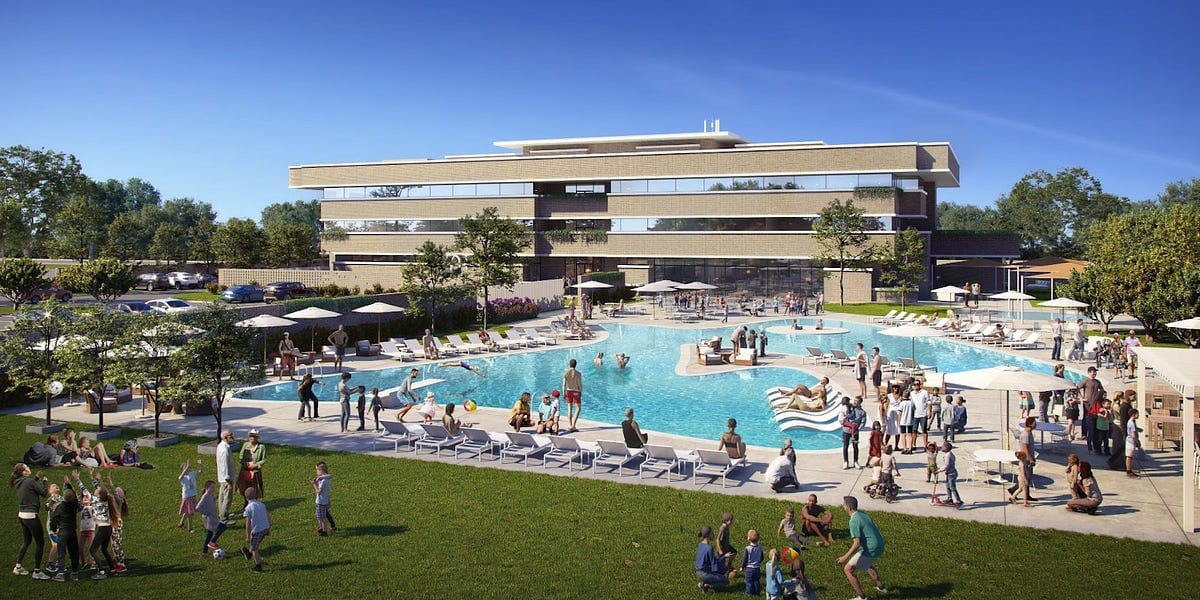


Start here to explore our 300+ deep dives into real estate, technology, and cities

A retrospective on the topics we've covered since September 2022

Answering your questions about real estate, the markets, and building companies
Covering the future of real estate and the people creating it