
Deep Dive: Real Property Captive
As real estate's insurance-cost crisis grows, captives gain popularity and embrace membership-club selectivity
As real estate's insurance-cost crisis grows, captives gain popularity and embrace membership-club selectivity

Eight lessons on why AI pays off for some firms and not others
A quarterly look at feasibility study activity with our friends at TestFit

US colleges and universities – or at least the bottom half of them – are in for a rough decade.
Already facing questions about soaring tuition and unclear value propositions from students struggling to find careers and repay student loans, marginal colleges and universities will face a maelstrom of challenges in the coming years.
For starters, the size of America's native college-age population is set to begin a long, steady demographic decline. International students, long the savior of mid-tier colleges, are turning away amid an administration increasingly hostile to visa-holders. And marquee Division I colleges are embarking on ambitious expansion plans, absorbing the shrinking number of available students.
Under pressure, colleges are closing in increasing numbers. Prior to 2012, fewer than 20 US colleges or universities closed each year. Since 2015, the number has regularly exceeded 100 per year and is likely to accelerate over the coming decade.
While this has a lot of implications for education in America, we're specifically interested in what it means for real estate. All those colleges come with campuses, many of which are dense, walkable, and beautiful – the exact type of place Americans increasingly want to live.
Today's Thesis Driven will explore the opportunity in bankrupt colleges, specifically:
Before we get into the specific factors driving colleges into the ground over the next decade, it's worth noting that many schools are already in pretty rough shape. The number of closures of America's 8,200 accredited colleges and universities has spiked over the past decade from fewer than twenty per year prior to 2013 to a peak of 240 closures in 2018. After a brief pandemic assistance-fueled respite, closures are climbing once more.
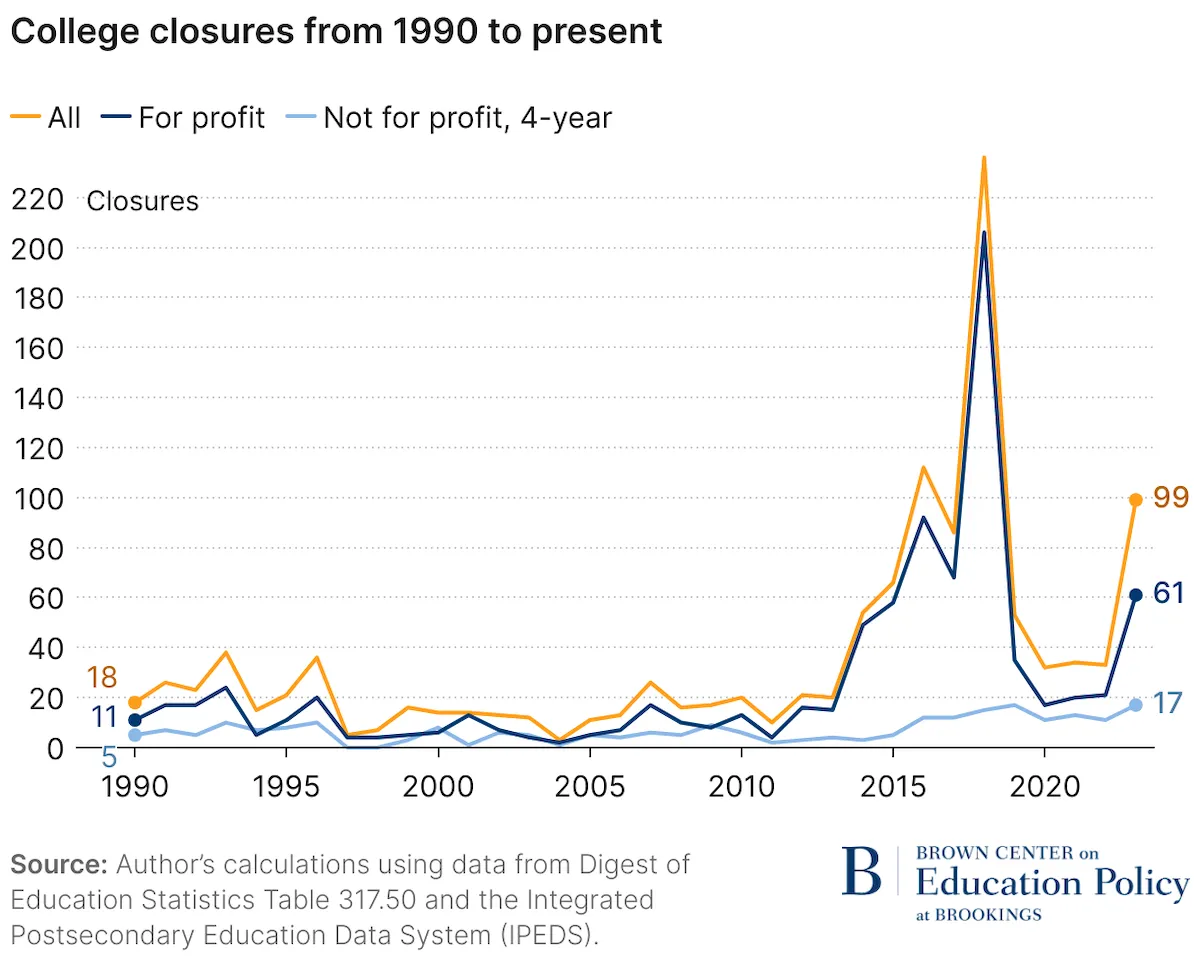
It's worth noting that much of the pain here is being felt by schools that you or I have never heard of. They're small liberal arts or religious schools, many of them concentrated in the Northeast and Midwest. They don't field D1 football or basketball teams, don't have a long roster of high-powered alumni, and don't crack the US News rankings.
At the same time, they're not fly-by-night online schools. They have real campuses, real students, and real histories – many more than a century old.
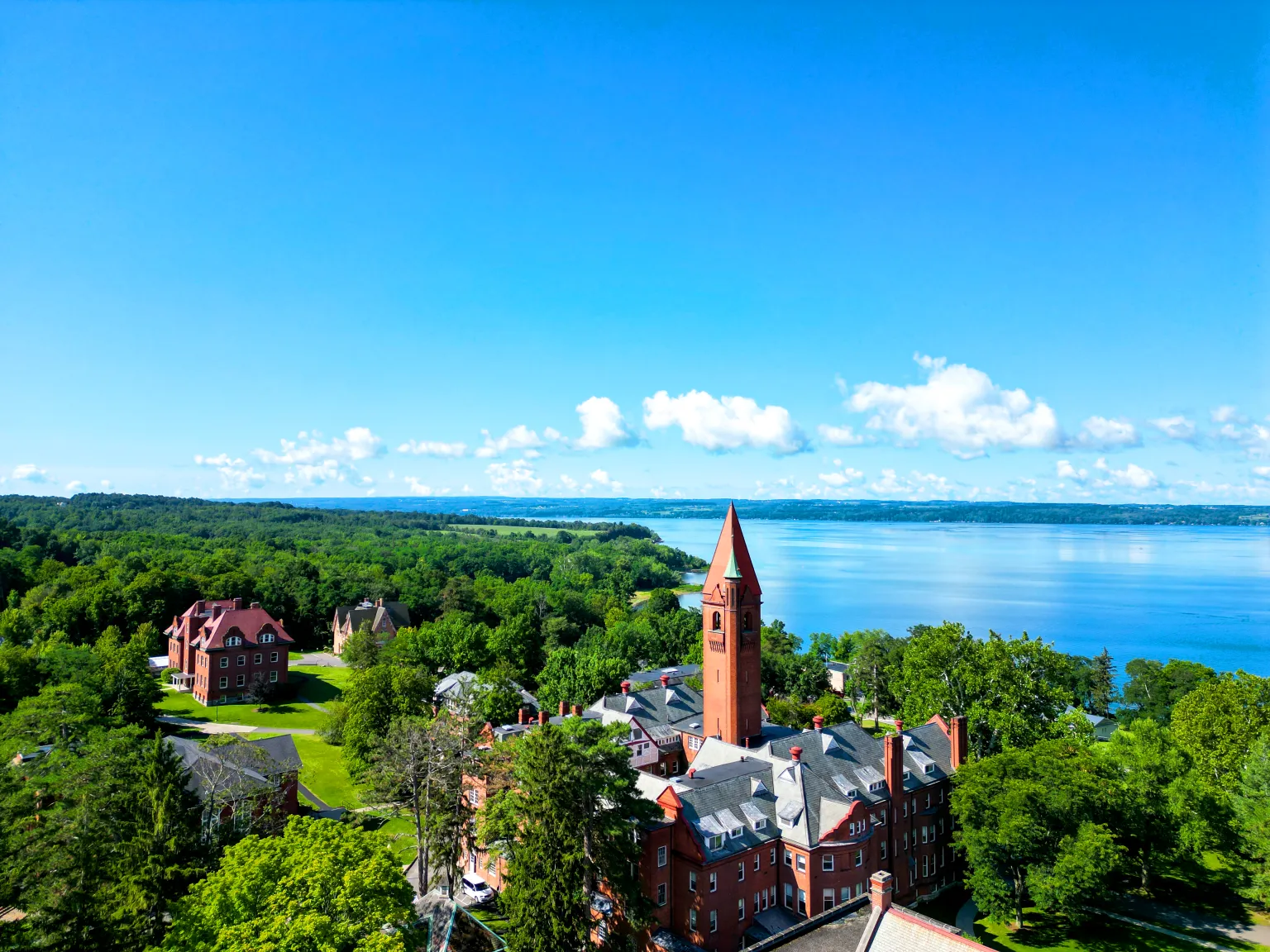
New York's Wells College was typical of these failing institutions. A 156-year-old liberal arts college with a picturesque campus in the Finger Lakes region, the college faced years of declining enrollment and financial difficulties before finally shuttering in 2024. Historically a women's college, Wells's attempt to broaden its appeal by welcoming men in 2005 failed, with enrollment falling from over 500 to just 335 students by 2022.
While the situation for America's small, lower-tier colleges and universities is bad today, it's going to get much, much worse. Challenges are appearing on four fronts:

Office demand is recovering, but speculative development in most markets remains stubbornly out of reach


EG is applying the American real estate private equity playbook to Australia, starting with medical office

Covering the future of real estate and the people creating it