
Special Edition: Realpage Cuts Off EliseAI
Multifamily operators in the lurch; have the PMS wars begun?
Multifamily operators in the lurch; have the PMS wars begun?

Small-balance residential bridge loans are a bright spot for private credit

Millennials are buying “second” homes faster than primary homes. What do they want and how is the market evolving to serve them?

A new generation of homebuyers is flipping the property ladder on its head.
Millennials bought 29% of all homes in 2024 but made up 40% of all vacation homebuyers. In other words, the data now supports what many have observed: young people are increasingly buying vacation homes – “second homes,” traditionally – before buying a primary residence.
While the trend is notable in its own right, it’s also having a profound (and under-appreciated) effect on how vacation homes are designed, built, marketed, and managed. In many cases, Millennials’ “second” homes aren’t simply amenities to be enjoyed but exist somewhere on the spectrum of lifestyle assets, business ventures, and quasi-primary residences, neither fully in one bucket but somewhere in the muddled middle.
Today’s letter will dive deep into the future of the second home which is – increasingly – not in fact the second home. We’ll explore how the second home’s complicated and contradictory roles are changing designs, business models, and more as the industry adapts to a new generation of buyer.
Few are closer to the second home’s evolution than Wayne Congar. An architect by training, Congar comes across as someone who would fit just as easily in a central Pennsylvania dive bar as in a Brooklyn design studio. And in his role, he needs to be.
Congar is the founder of HUTS, a New York-based firm that's part studio, part rural land developer, and part owners rep. And he's built a reputation and business serving the exact type of person who fits in the messy middle of Millennial second home ownership: a successful, upwardly-mobile, suddenly middle-aged professional typical of lower Manhattan and gentrifying Brooklyn. They are in their mid-30s to 50, perhaps with one or two kids, surviving but not exactly thriving on two incomes in the highest cost of living market in the United States.
The couple’s total comp may approach half a million, a number that doesn’t go particularly far with kids in New York City or San Francisco. Between taxes, rent on a three-bedroom apartment, kids’ activities, a few nice trips per year, 401(k) contributions, and perhaps private school, the money disappears sooner than one may think.
And buying a place in the city is, of course, tremendously expensive. Most families will want at least three bedrooms in a safe neighborhood with good schools. In markets like New York, that will run at least $2 - $2.5 million. If Mom and Dad aren’t helping with the down payment, ownership might simply be out of reach.
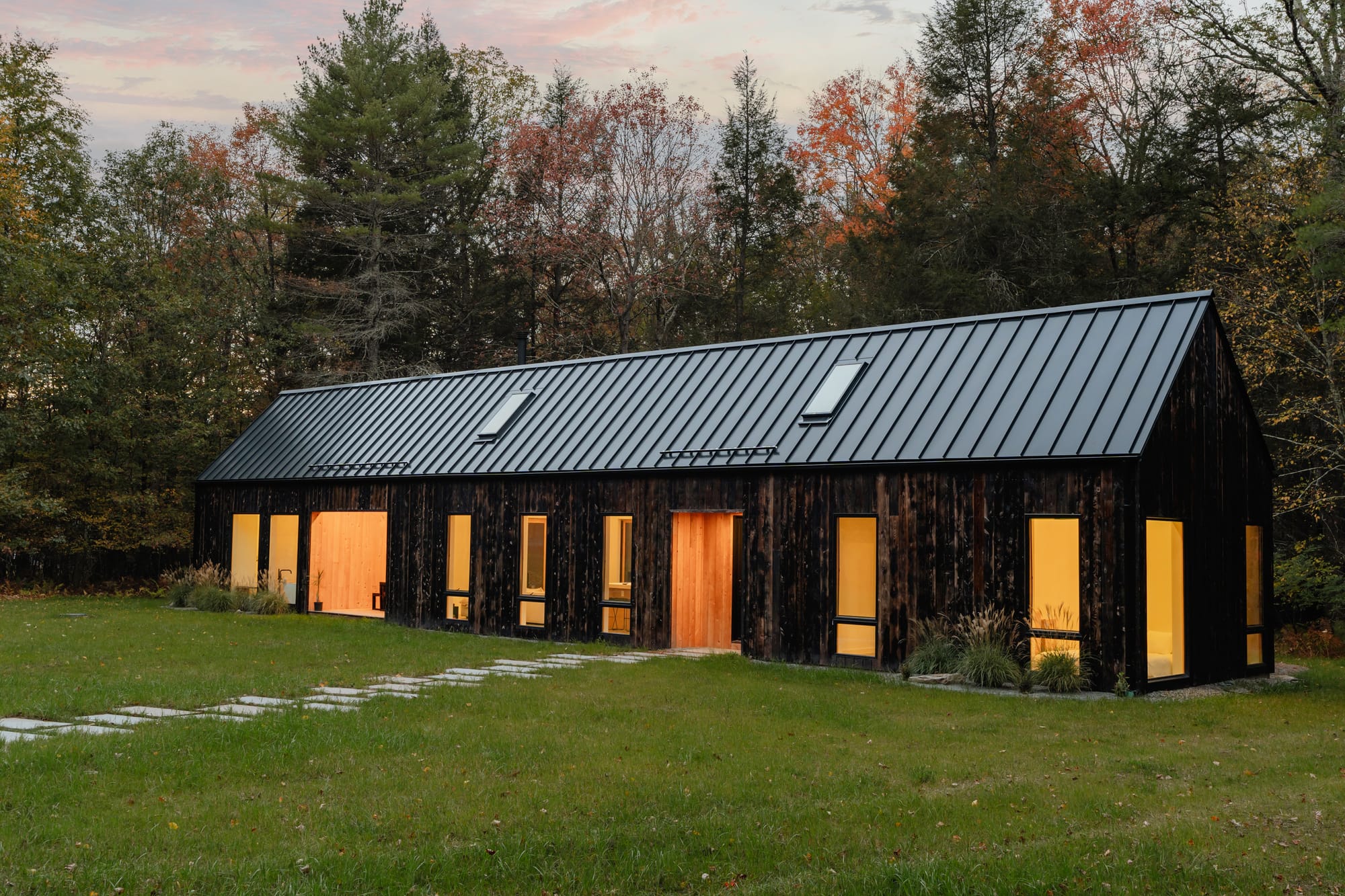
This is the point at which many families choose to decamp for the suburbs, saying farewell to Potrero Hill and Prospect Heights for Marin and Mamaroneck. But not everyone is willing to make that sacrifice, particularly if a person is facing this choice later in life after spending 20 years building a community and way of living in the city.
Some simply choose to stick it out.
But for many, pressure to get on the property ladder can’t be ignored. “For some buyers, there’s a fundamental need – almost a desperation – to own something,” explains Congar. “I’m getting older, I’m still renting a place, I can’t afford to buy here. But I need a foothold so I’ll buy wherever it’s affordable with the idea it’s a second home."
That second home, however, often doesn't fit neatly into the traditional role of a vacation home. As we'll explore in the next section, changing work habits and preferences see the "second" home playing a larger and larger role in the owner's life. And that's before we even get to homes that function as both second homes and rental properties.
“Over time, the second home takes over and becomes where they’re spending the bulk of their time," says Congar. "There's no category for this. It's not really a primary home, not really a second home, and not a forever home. Perhaps they’re financing the property as a primary home, but it exists in a grey area.”
In other words, the very notions of primary home and secondary home are blurring.

K-12 enrollment is falling rapidly. As cities grapple with school closures and property tax revolts, what does this mean for real estate?

A city built around cars and entertainment could be remade over the next decade by forces now transforming both


The carry trade is dead, and capital is moving to whoever can manufacture cash flow. Takeaways from a day with more than 250 investors and operators in emerging real estate.


Falling birth rates, shifting migration, and an aging population are already reshaping demand across real estate, faster than most of the market has priced in
Covering the future of real estate and the people creating it