

The Rise of the Secondary Leisure Town
When ultra-exclusive resort towns like Jackson Hole and Aspen run out of space and affordability, demand moves down the road

Every top leisure destination has its own lore. But after hearing enough stories, the narratives tend to rhyme.
The small mountain town with its swashbuckling founders drawing a bevy of eccentric characters. The beach village with hippies, surf bums, and one forward-minded family sitting on prime land. The tourists came, the investors followed, and the institutions eventually swallowed the whole thing up, making the Aspens, Vails, Hilton Heads, and Jackson Holes we all know today.
Few things are more tempting to real estate entrepreneurs than being part of such lore: being early to a place that becomes something magical, building tremendous wealth by creating something that didn’t exist before. It’s a journey that requires vision, taste, and the ability to tell a story.
So it’s no surprise that today’s entrepreneurs are eagerly seeking the next rising leisure destinations. And to do that, they’ve found a formula that seems to be working: find the nearby, lower-cost place favored by the primary resort town’s workers, and build there.
Today’s letter will explore the rise of the secondary leisure town: places like Driggs (Idaho), Basalt (Colorado), and Bluffton (South Carolina) that have outperformed their established peers, riding a tide of mass affluence into the next generation of great destinations.
The Far Side of the Tetons
Driggs, Idaho is a town of fewer than 2,000 people, a little less than an hour’s drive from Jackson Hole, Wyoming. On the west side of the picturesque Teton Range, Driggs is the place behind the peaks in the famous Grand Teton photos. But despite being much less known than Jackson, Driggs holds its own as a ski destination: the Grand Targhee resort sits just across the Wyoming border, and its place on the windward side of the Tetons delivers an average of 500 inches of snow per year.
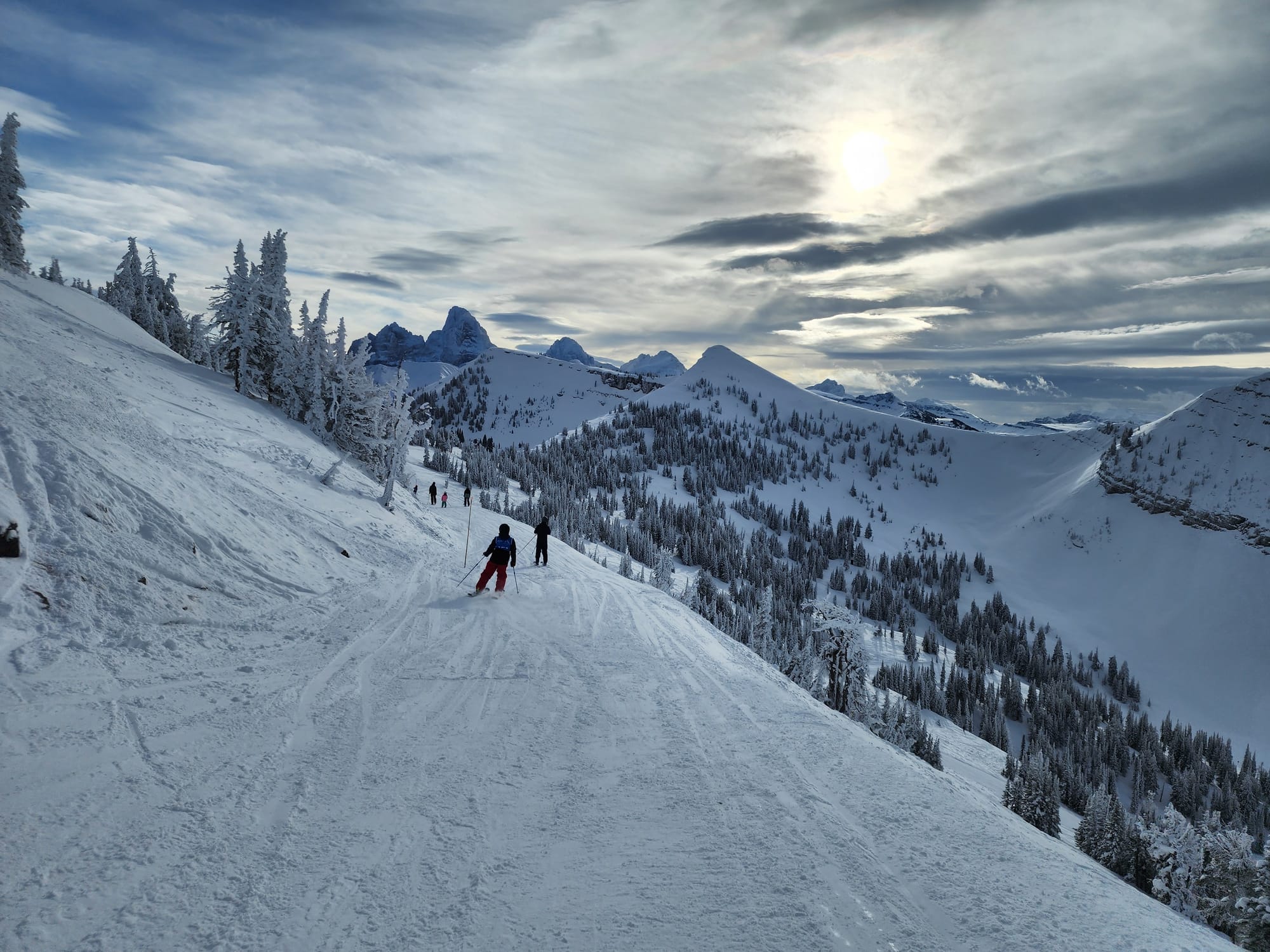
For those reasons, Driggs became the favored spot for locals, ski bums, and those “in the know,” remaining more affordable and less crowded than Jackson. Driggs also became a favored home base for workers in Jackson’s burgeoning hospitality industry, who traded a 45-minute commute on windy mountain roads for far cheaper accommodations.
Meanwhile, Jackson Hole’s global reputation as a leisure destination and strict zoning laws made it comically unaffordable. Last year, the average sale price for a single-family home in Jackson Hole, Wyoming was $7.4 million, an absurd data point in a broader trend of high home prices in the Mountain West.
So when real estate entrepreneurs Bryan Dunn and Albert Nichols of Cardinal Lands sought to build their next residential community, they didn’t look at Jackson but at Driggs.
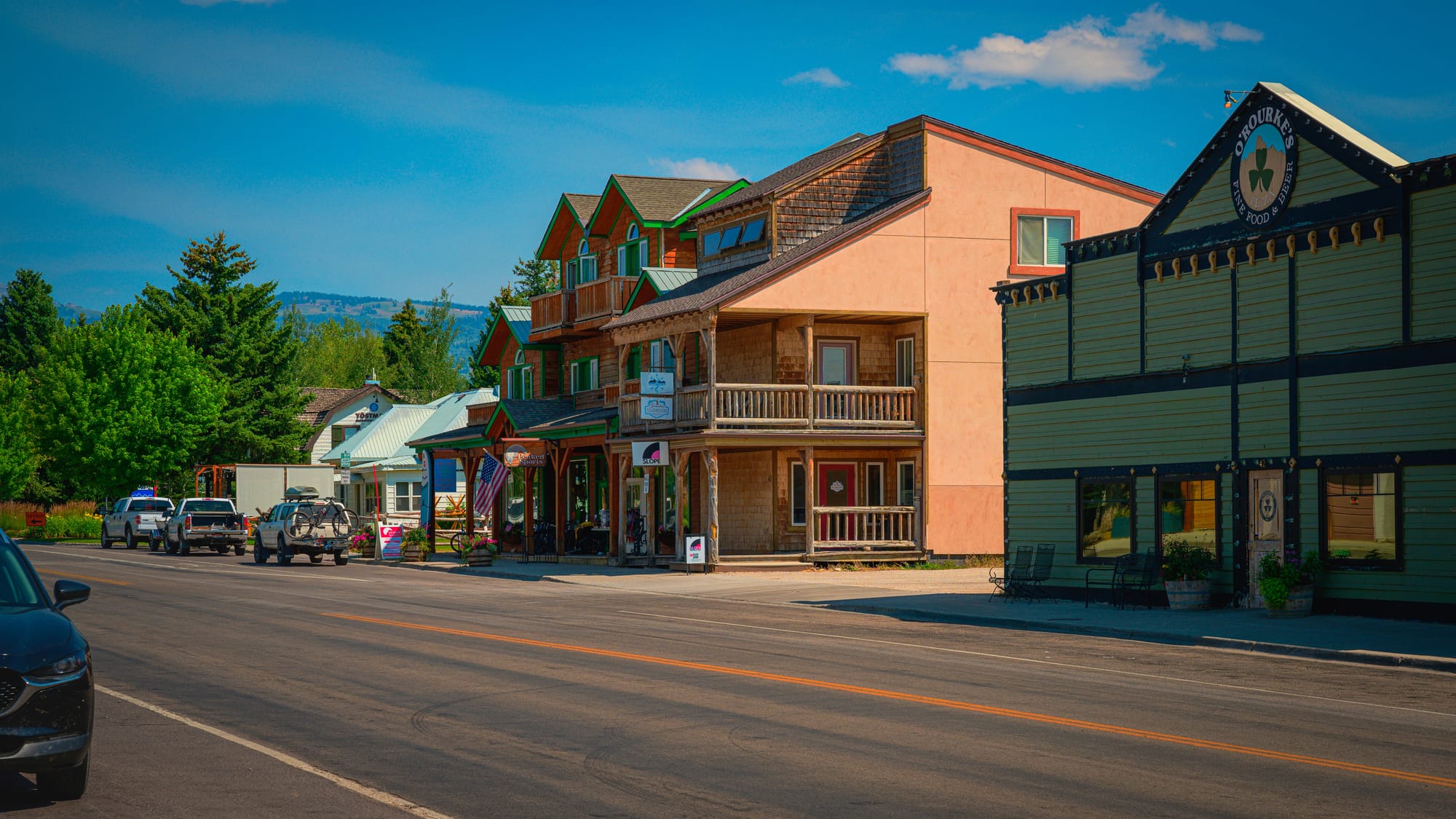
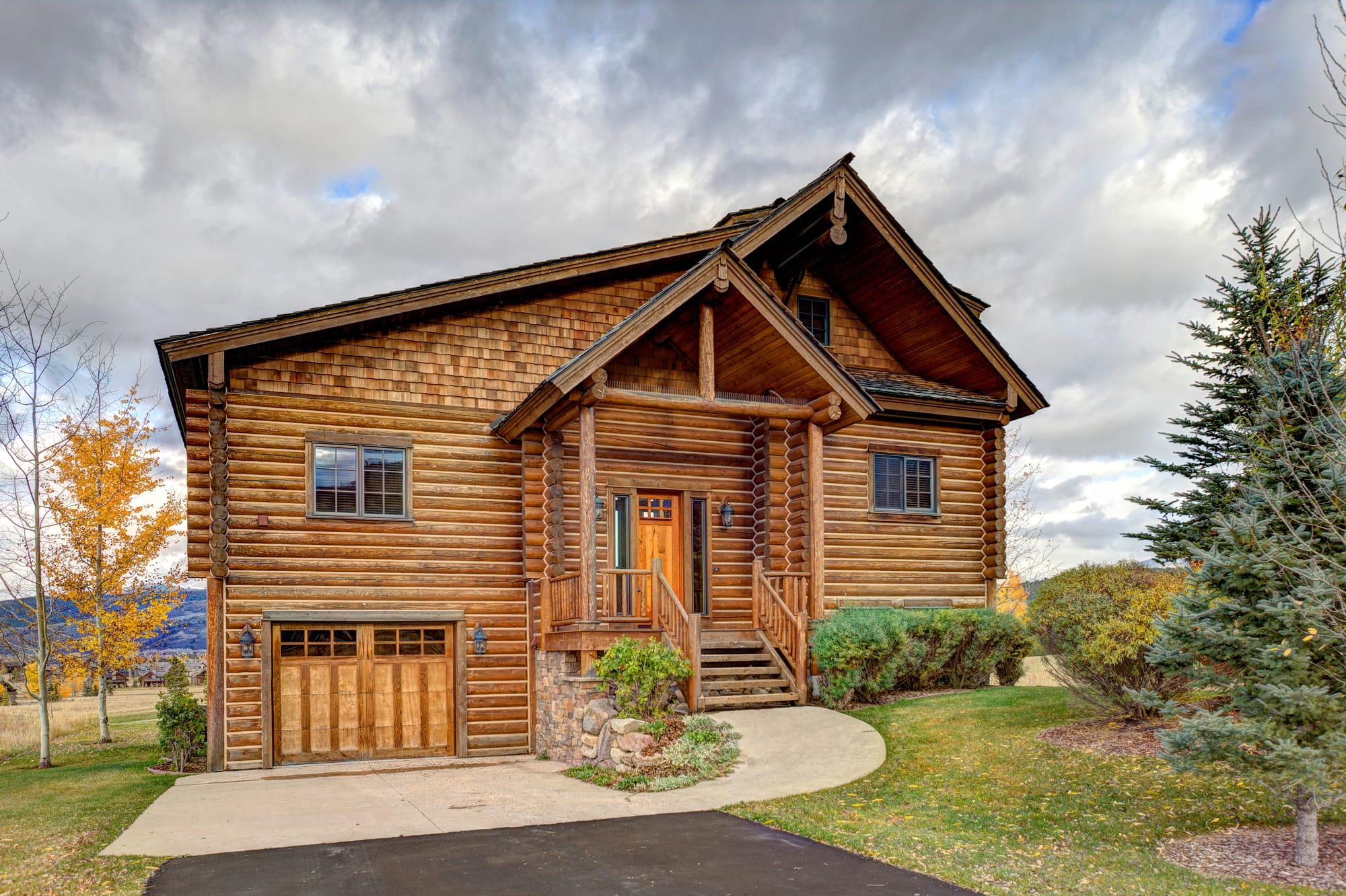
“When you pair a secondary market that already has its own gravitational pull with a primary market where 97% of the land is permanently protected, average pricing has crossed $6 million, and the sub-$3 million segment has effectively disappeared, you get a compounding dynamic that is very difficult to replicate,” says Dunn. “Demand does not simply overflow from Jackson into Driggs. It accelerates there because the underlying product is genuinely compelling at a fraction of the basis.”
Dunn and Nichols are building two communities in Driggs: The Teton Outing Club, a 30-unit townhome community, and Hastings Lane, a 240-acre residential development. According to Dunn, they’ve already assembled a waitlist of more than 500 people for the Teton Outing Club through direct demand sourcing alone. The local market’s momentum doesn’t hurt; residential sale prices in the Teton Valley, Idaho market — which includes Driggs — climbed 40% year-over-year in 2025 and surpassed $500 million in total sales velocity for the first time ever.
Predicting the Secondary Leisure Town
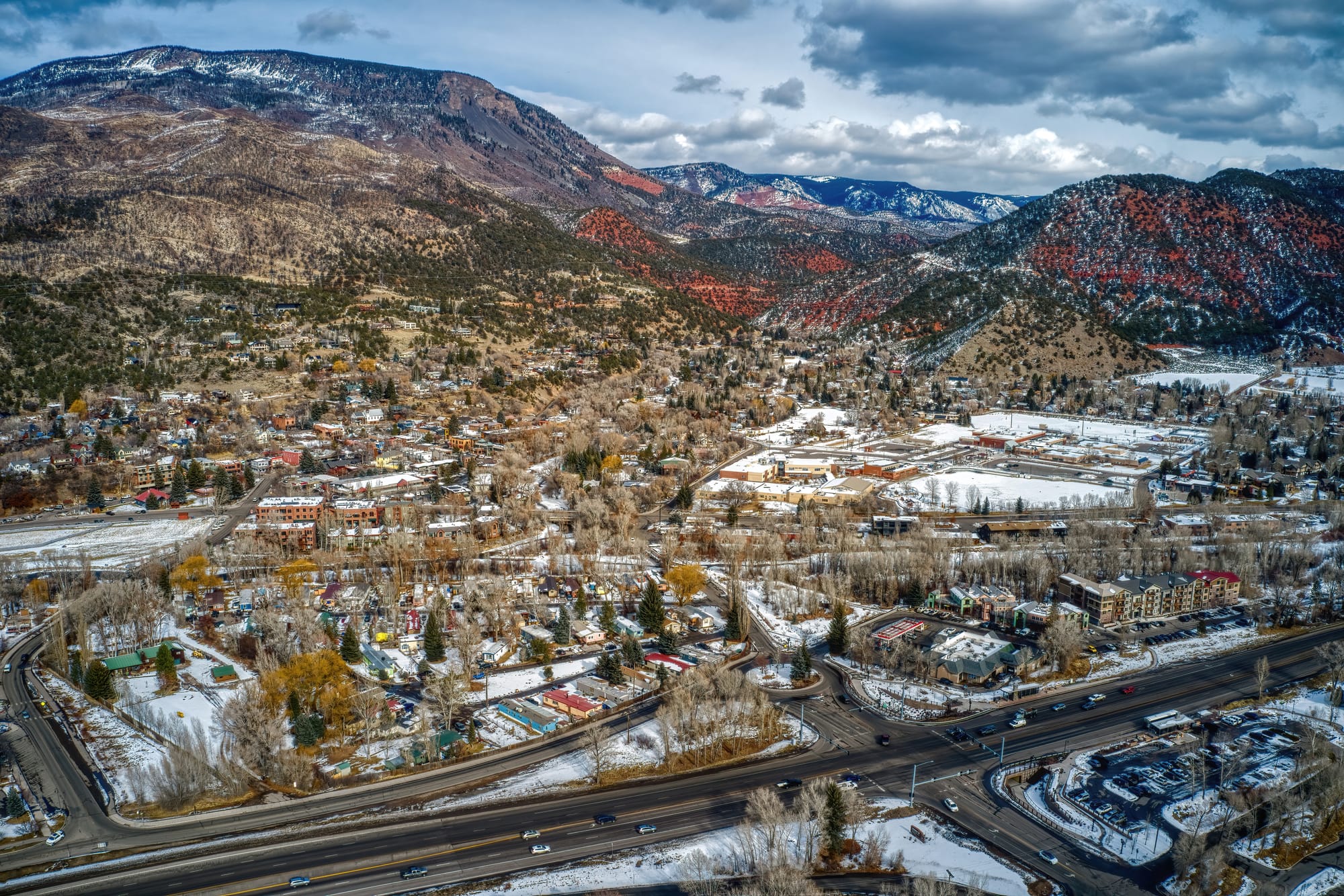
While Driggs is special, it’s not hard to find other examples of rising secondary leisure towns. Basalt, Colorado — historically a commuter town for hospitality workers in the pricier Aspen, a half hour’s drive away — has seen dramatic increases in home prices and rents since the pandemic.
And much of the Hilton Head, South Carolina area’s growth has come not on the island but in nearby Bluffton, the more affordable, inland town historically home to many of the island’s workers. Driven by annexations and Hilton Head spillover, Bluffton grew from 738 residents in 1990 to more than 39,000 by 2026.
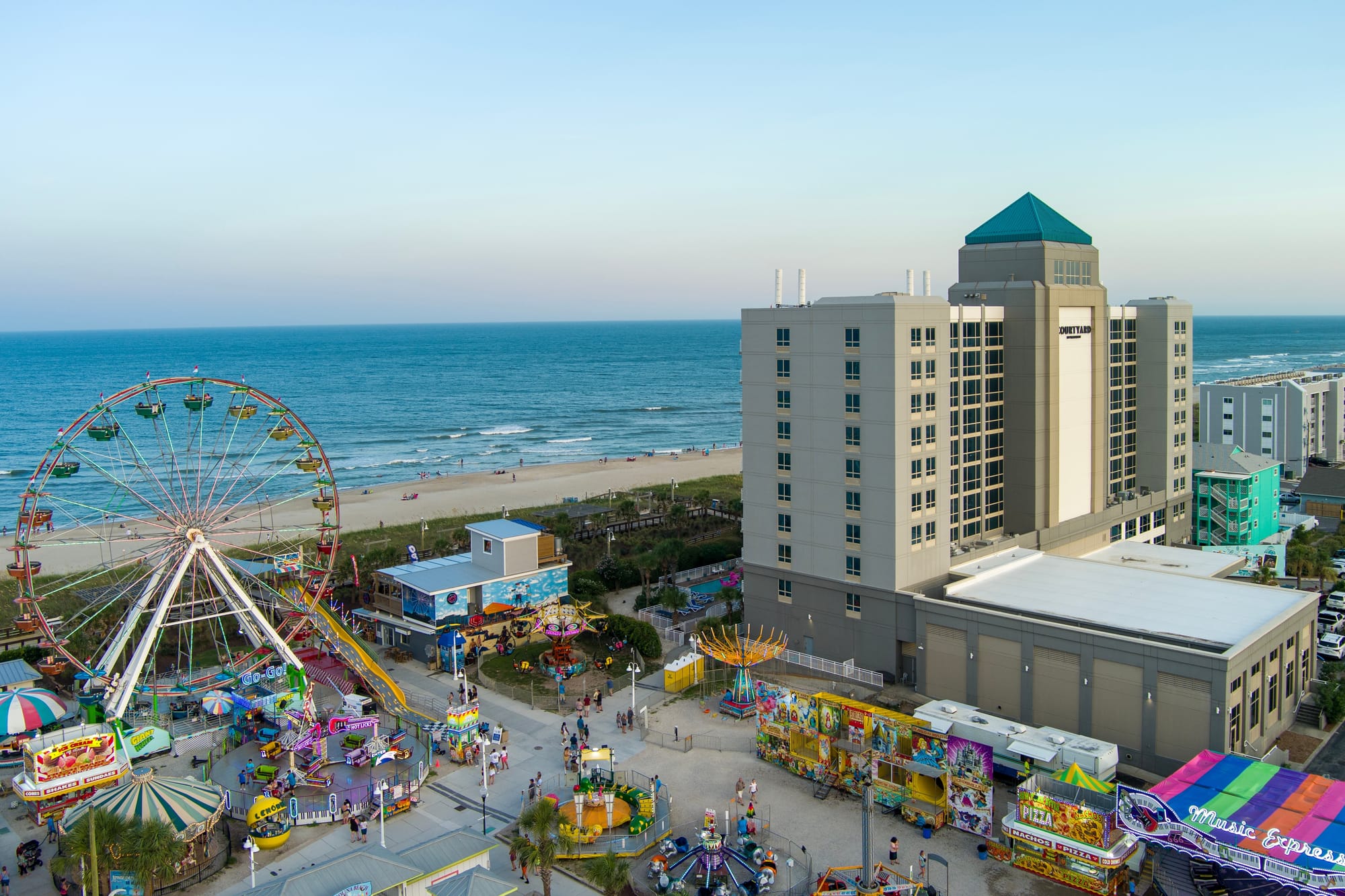
Wrightsville Beach and Carolina Beach — both in southeastern North Carolina near Wilmington — offer an illustrative comparison. For decades, Wrightsville Beach has been the high-status coastal market, the “prestige beach” of the region, offering some of the highest real estate prices in North Carolina. Carolina Beach, on the other hand, historically played the overflow role, with more affordable rentals, seasonal workers, and fewer high-end homes.
But rapidly rising demand in the pandemic years, paired with Wrightsville’s strict zoning constraints, flipped the script. Home prices in Carolina Beach more than doubled since 2019, as travel boomed from visitors seeking something authentic and vibrant rather than legacy and prestige.
Suddenly, Carolina Beach stopped being marketed as “near Wrightsville” and started being marketed on its own lifestyle.
Looking across these cases reveals clear patterns in how and why secondary leisure towns come into their own — and why some secondary towns might have more staying power than others.
One, affordability relative to the primary destination is a must — and the wider the affordability gap, the better. “If the gap is narrow, the arbitrage thesis is thin and you are simply buying a less desirable version of the same product,” says Dunn.
And the primary destination must have some sort of growth constraint. “Federal land, conservation easements, topographic barriers,” adds Dunn. “Hard limits that will not change with the next political cycle.”
“That is what makes demand migration predictable rather than speculative.”
But developers are more divided on the importance of a secondary leisure town having its own draw independent of the primary destination. For some towns, mere proximity and discount to the primary destination seem sufficient to drive growth. Bluffton, for instance, was carved out of Low Country swampland over the past two decades and has few natural amenities beyond its relatively short drive to Hilton Head’s beaches. And while Basalt, Colorado has interesting topography, it has no ski resort of its own beyond what’s in Aspen and Snowmass.
Dunn sees this kind of spillover town as a riskier proposition for developers.
“We want to see independent demand. The market must have its own reason to exist: a ski resort, a lake, a national park, meaningful topography,” he says. “We are not looking for overflow towns — markets that depend entirely on spillover are fragile. When the primary corrects, they correct harder. Markets with independent demand drivers and a strong primary next door tend to compound durably.”
Developers like Dunn cite two things to watch to discover leisure towns early: workers and planes.
Hospitality and resort workers often act as early bellwethers for the next hot town: they know the local area well, seek out affordability, and often have good taste. Driggs, Basalt, and Carolina Beach were all favorites of local workers in the primary resort destination before coming into their own as secondary leisure towns.
Air travel can be a more quantitative measure of a region’s growth, illustrating the need for a “spillover market” in the first place. “The leading indicator we pay the most attention to is sustained airport enplanement growth,” says Dunn. “Not a single year’s spike from a new airline route, but a 10- or 15-year compound annual growth rate that reflects a broadening national demand base.”
It’s a Mass Affluent World
It’s impossible to study the rise of the secondary leisure town without understanding the phenomenon of mass affluence: households who are not quite “high net worth” but have the means and desire to participate in the values, amenities, and symbols of the truly rich. While “mass affluent” consumers are typically those making between $100,000 and $250,000 per year, for this letter I’m more interested in the sociological phenomenon of mass affluence than the strict economic definition.
Jackson Hole is off limits to not only the vast majority of Americans but also many who consider themselves “rich” by any other measure. Rising home prices and hospitality wages have driven other prestige leisure destinations to a similar point, putting them out of reach for an increasingly important segment of American consumer spend.
But a home in the right zip code is less important to many than the semiotics of Jackson Hole or Hilton Head. Building consumer products for mass affluence requires abstracting the essential elements of the genuine luxury product, borrowing its symbols and aesthetics, and repackaging it in a manner that’s more reproducible and accessible.
For the 35–50 year old coastal professional, the American West represents freedom, nature, individualism, and space — things that are absent from many of our day-to-day lives. But the reality of rolling up to the bar in an authentic Wyoming town that voted for Trump by 70 points is a little too much for most to bear. The Jackson Hole Four Seasons formula bridges that gap, translating the aesthetics and values of the west into a palatable form for a 42-year-old technology executive from Brooklyn. Of course, the laws of supply and demand have made that iteration quite expensive, necessitating a mass affluent version.
In other words, I’m bullish on what Dunn and Nichols are doing at Cardinal Lands.
One could argue that Bluffton is an even more distilled instance of the same phenomenon. As Dunn notes, Driggs has a lot going for it beyond being close to Jackson – Grand Targhee is a serious ski resort in its own right. Bluffton, on the other hand, does not even have a clear central point; the town was carved out of the swamp, assembled through a series of annexations over the past quarter century. It is a mass-affluent version of Hilton Head for retirees who want the Hilton Head values and aesthetics without paying Hilton Head prices.
The Never-ending Commute
Since the pandemic, secondary leisure towns have seen rapid growth and home price appreciation. But as hospitality developers follow the workers to the next town over, where do the workers go?
Workforce housing shortages have been a worsening problem for top leisure destinations for decades, but several trends in recent years have made the issue far worse.
One, prestige leisure destinations are some of the NIMBYiest places in the country, a trait that shows no signs of changing even as political winds nationally turn more pro-housing. Vail, for instance, passed an emergency ordinance in 2022 to prevent Vail Resorts from building workforce housing on its own resort land. This political landscape has driven home prices through the roof in many of these places as well as pushed hospitality workers into nearby towns – towns that are now being converted into leisure destinations themselves.
“And any developer who is not thinking about this is underwriting their own risk incorrectly,” says Dunn. “Second-home capital enters a traditionally working-class town, land values reprice faster than wages, and the people who make the town function —teachers, ski patrollers, restaurant staff, contractors — are pushed further out or leave entirely.” Dunn specifically cites Big Sky, Montana as a destination at risk of pricing out its own workforce.
Dunn encourages communities to pair workforce housing requirements with major hospitality investments such as resort expansions. “If a resort is embarking on a billion-dollar base-area redevelopment that creates hundreds of jobs, some responsibility for housing supply should accompany that growth.”
Unfortunately, it’s not clear that any major leisure destination is taking those steps. To many local officials, new housing is seen as a necessary evil at best and a fundamental threat to the character of their town at worst. After all, many residents moved to these destinations to “escape” the density, traffic, and crime of major cities, and any kind of multifamily housing risks, in their view, bringing what they fled.
Still, Dunn sees opportunity for continued secondary leisure town growth over the coming decades, particularly in the Northern Rockies region.
“Not every small mountain town with inexpensive land and a ski hill nearby is the next place,” says Dunn. “The towns that succeed tend to have an authentic character and a real community that people want to be part of — not merely a discount to somewhere more expensive.”
–Brad Hargreaves

Read next


The Six Things We Learned at Our Capital Markets Summit
The carry trade is dead, and capital is moving to whoever can manufacture cash flow. Takeaways from a day with more than 250 investors and operators in emerging real estate.


The Deals Developers Are Analyzing Today | Q2 2026 Edition
A quarterly read on early-stage feasibility activity with our friends at TestFit

Reinventing the Tribe: RidgeRunner and the New American Village
How a new model for rural communities built on shared identity is driving both demand and backlash