


How AI and the Energy Transition are Redefining Real Estate Value
Understanding how the energy problems posed by AI could reshape the built world

Today’s Thesis Driven is a guest letter from Jenny Song, Partner at Navitas Capital, an early stage venture firm that has been focused on the impact of AI and the energy transition on the built world for over 15 years.
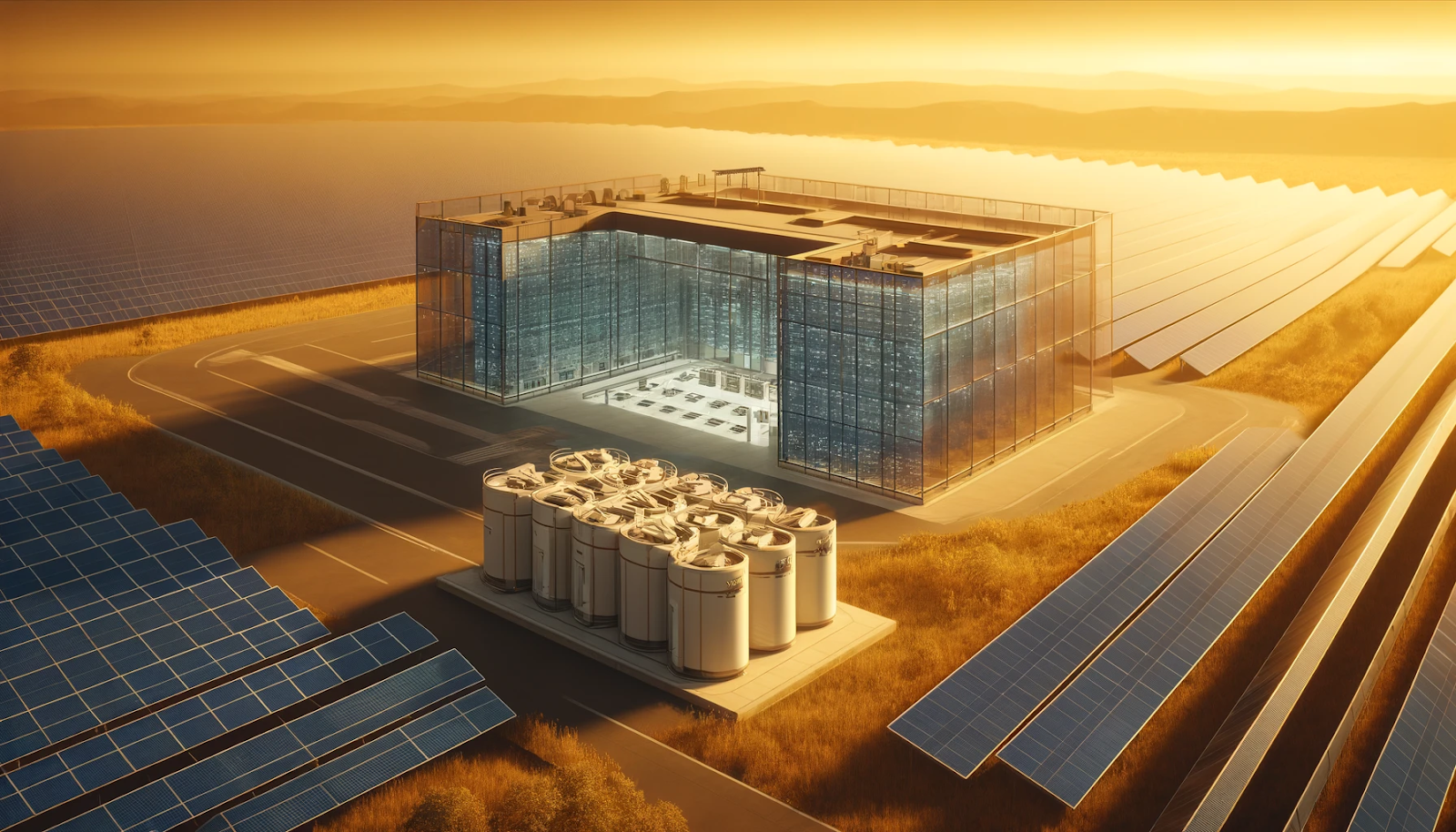
Every major technology revolution has redefined real estate value. From the Agricultural Revolution to the Information Age, technology developments have changed our relationship with land and buildings. Our view is that the Artificial Intelligence Era will do the same: real estate in the age of AI will be increasingly defined by energy and its availability.
Of course, AI will be applied to real estate operations directly. At Navitas, we spend a lot of our time examining technology’s direct use cases for the industry – for example investing in companies like EliseAI, a conversational AI applied to the housing sector.
But we are also closely watching the indirect, second-order effects. Airbnb’s initial impact, for example, was making room-sharing between private individuals easier. Since then, it reshaped multiple real estate asset classes from traditional hospitality to multifamily to single family home building.
In the AI Era, real estate may be increasingly defined by its relationship with energy production and transmission. Considering the energy intensity of AI data centers–as much as 50 times as intensive as a similarly-sized office building–and constraints on our ability to produce or transmit energy fast enough to keep pace, we see a world in which energy is increasingly constrained -- making its availability a more important and deterministic factor in all real estate development.
In today’s Thesis Driven, we’ll explain why this is the case and what it means, covering:
- A framework for how to think about predicting real estate value at a macro level
- The energy problem posed by AI and the rapid build of new data centers
- How AI is converging with other mega-trends that are creating immense energy challenges
- Why what we are doing today is not working to solve the problem fast enough
- What this all has to do with real estate value and what it means for real estate developers, owners, investors and others
Read next

AI for Real Estate Acquisitions
We've been building AI acquisitions agents with real estate GPs. On August 13, we're opening the hood in a live 2-hour workshop

The Six Things We Learned at Our Capital Markets Summit
The carry trade is dead, and capital is moving to whoever can manufacture cash flow. Takeaways from a day with more than 250 investors and operators in emerging real estate.


Who is Investing in Real Estate Tech? 2026 Edition
Our annual list of firms actively investing in real estate technology companies
