
The Rise of Tour Intelligence
A new generation of companies is betting AI can make the human leasing agent better
A new generation of companies is betting AI can make the human leasing agent better

Tracking three months of notable land use and zoning decisions with Shovels

As real estate's insurance-cost crisis grows, captives gain popularity and embrace membership-club selectivity
A real estate sponsor’s firsthand look at the successes and challenges of using AI in a small multifamily real estate portfolio


Today’s Thesis Driven is a guest letter from Chris Lehman, Seth Priebatsch, and Jason Urton, co-founders and CTO, respectively, of Groma, a real estate sponsor and technology company specializing in small multifamily residential properties.
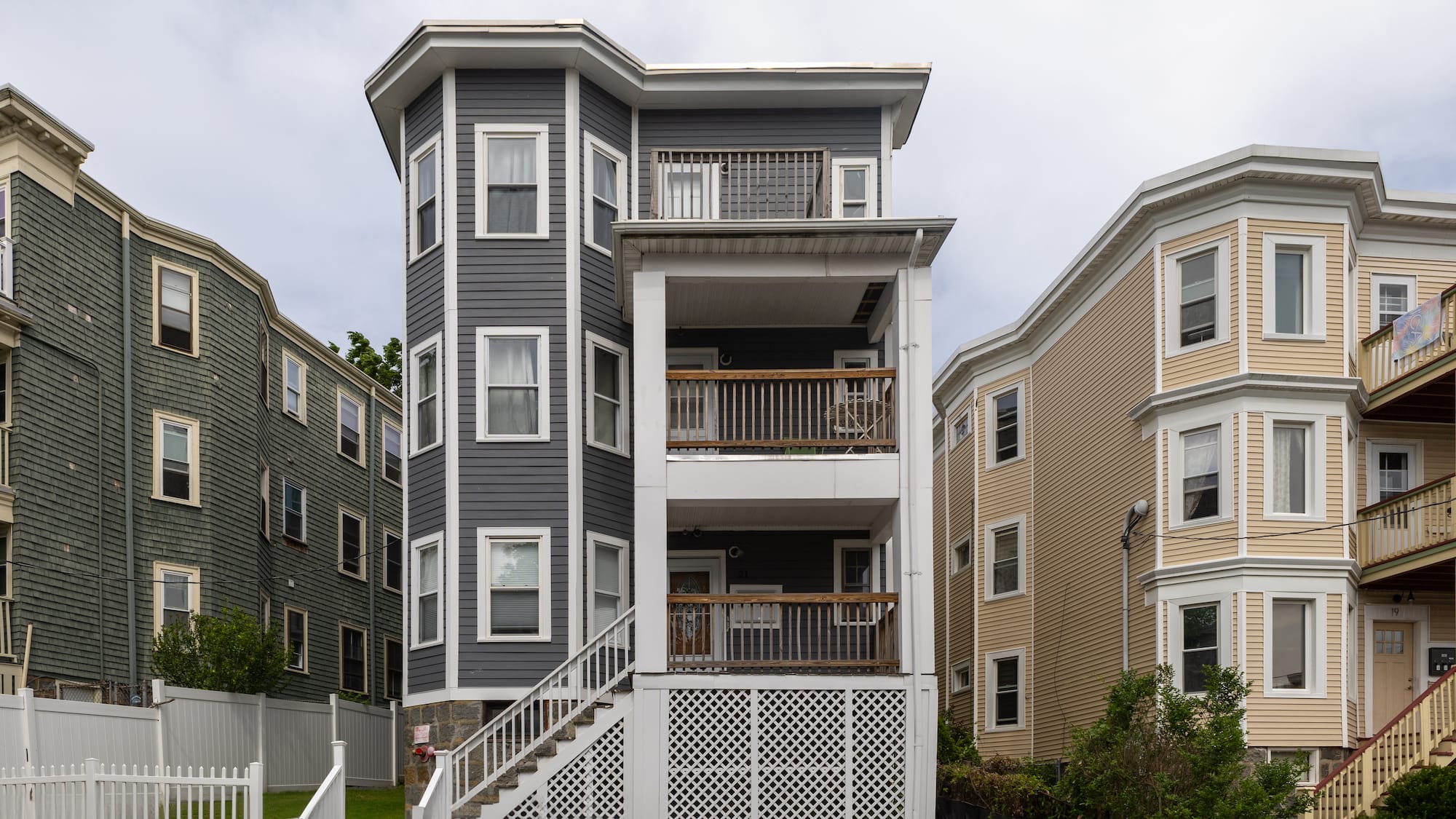
Applying AI, the dominant tech story of the past year, to real estate, the largest economic sector in the world, is an obvious thought. At Groma, we’ve been testing the use of AI across nearly every stage of our vertically integrated real estate system, finding where it works, where it really works, and where it has generated a lot of hype but still struggles to add much value under current conditions.
As a small multifamily sponsor, we acquire and manage properties that are geographically separated and often over 100 years old, making them expensive to manage using traditional methods—opex ratios for other operators typically range from 40-50%. This makes efficiency-boosting innovation critical for producing institutional-grade returns, and AI infrastructure has become a key part of our tech stack. Today, we’ll share some of the ways it has made our portfolio easier to manage as well as how we’re planning to keep developing it as AI improves and we find more real-world training data.
Specifically, we’ll answer the following questions:

A new generation of companies is betting AI can make the human leasing agent better

Eight lessons on why AI pays off for some firms and not others

Multifamily operators in the lurch; have the PMS wars begun?

Covering the future of real estate and the people creating it