
When Will Spec Office Get Built Again?
Office demand is recovering, but speculative development in most markets remains stubbornly out of reach
Office demand is recovering, but speculative development in most markets remains stubbornly out of reach

New data from Tailorbird shows why two-thirds of real estate operators blow their capex budgets and where AI could actually help
Real estate tech leaders and managed office operators share their perspectives on WeWork's path forward

Thesis Driven dives deep into emerging themes and real estate operating models. This week’s letter features an ensemble cast of perspectives on how WeWork should navigate the next step of its journey.

For a moment, there was hope that now-departed CEO Sandeep Mathrani would be WeWork’s savior. In reliable, experienced hands, the managed office juggernaut would shed its kombucha-on-tap summer camp baggage—and unprofitable leases—to join the ranks of serious (and EBITDA-positive) companies.
It was not to be. Mathrani—a veteran of Vornado, GGP, and Brookfield—departed WeWork in July as its market cap sagged below $300 million and the company warned about its ability to continue operating as a going concern. Occupancy has hovered a bit north of 70% for over a year, while in Q2 the company chalked up a $349 million (GAAP) net income loss on $844 million of revenue.
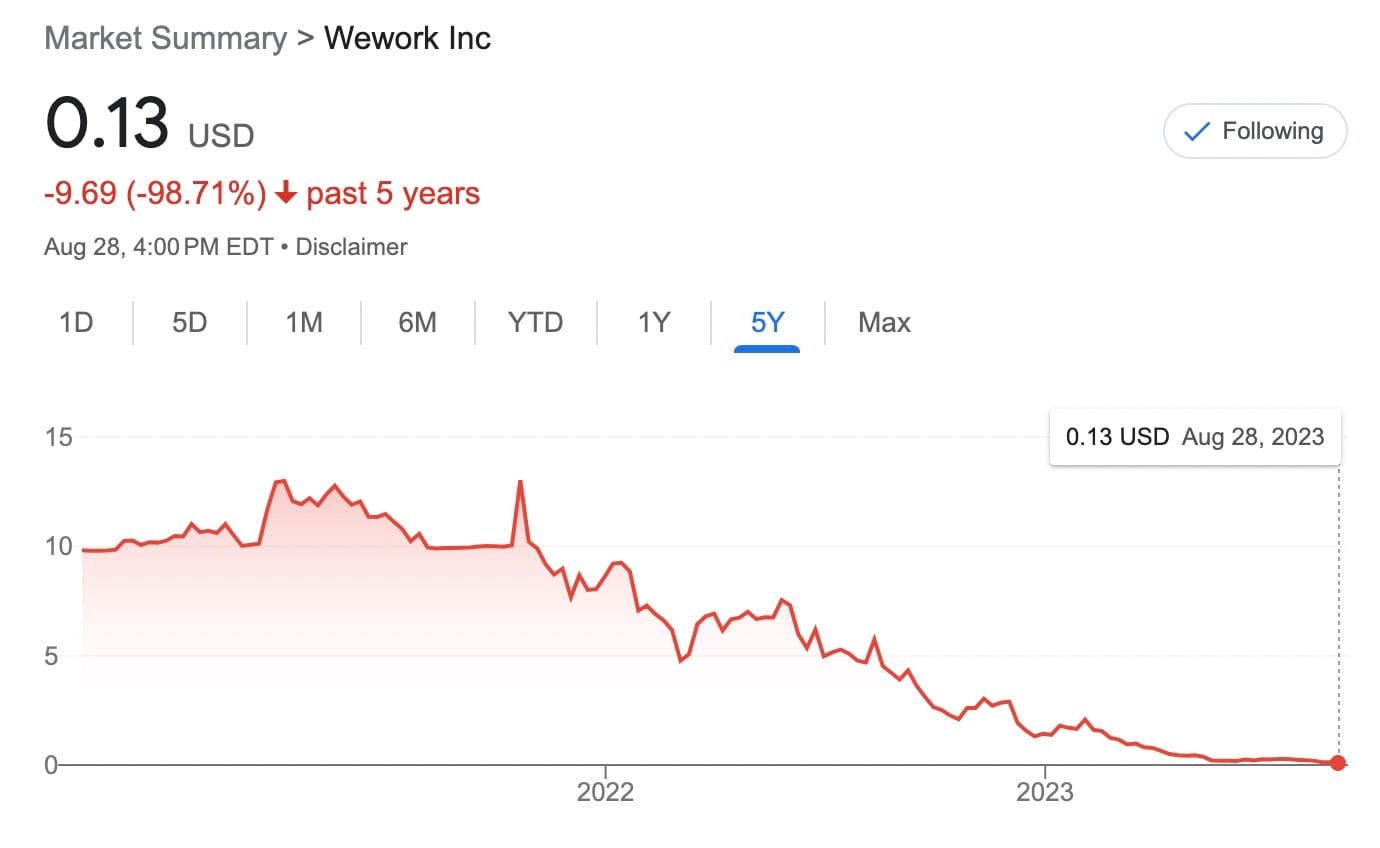
“What should WeWork do next?” is a business school case study in the making. To get a head start on it, we polled a handful of industry insiders with unique insights into WeWork’s situation—and the managed office industry—to get their take on what they would do if they had total control over WeWork’s business as it stands today.
Each was instructed to write their own short summary of where they’d take WeWork from this point. Contributors include:
Contributors share their thoughts on the future of the office market, how WeWork should approach the public markets, landlords, and bankruptcy, and how the brand should position itself to rise from the ashes. Read on for more.

A look at the creation of a families-only Dallas country club


Rate trajectory, multifamily supply, AI adoption, and four more calls — what Thesis Driven is betting on and against for the rest of 2026.

In the wake of the pandemic, investors aggressively shifted capital from office to multifamily. Was this a historic blunder?

Some real estate owners are generating income while reducing emissions and stabilizing the grid

Covering the future of real estate and the people creating it