
Deep Dive: Real Property Captive
As real estate's insurance-cost crisis grows, captives gain popularity and embrace membership-club selectivity
As real estate's insurance-cost crisis grows, captives gain popularity and embrace membership-club selectivity

Eight lessons on why AI pays off for some firms and not others
A quarterly look at feasibility study activity with our friends at TestFit
An endangered housing typology is en vogue once more

To Bobby Fijan, bringing the townhouse back to the American city is more than a real estate endeavor. It’s a quasi-religious calling to make cities welcoming for families and return America to the development patterns that flourished throughout the 19th and early 20th centuries.
Fortunately, Fijan is not alone. His company, the American Housing Corporation, is one of a number of development firms looking to bring attached single-family housing back to the forefront of U.S. homebuilding. And as buyers increasingly seek out a combination of space, privacy, and walkability, the townhome is having a moment. It’s one everyone in real estate, from homebuilders to institutional investors, should be watching.
Today’s letter will explore the resurrection of the townhome: the cultural trends driving it, the builders creating them, and what it might mean for the future of the American city.
Anyone who has walked a major U.S. east coast city is familiar with the townhouse—it’s perhaps the most common and sought-after form of housing in places like Brooklyn, Boston’s Back Bay, Philadelphia, and much of Washington D.C. Midwestern cities that boomed in the 19th century like Chicago, Cincinnati, and St. Louis have similar models, and even the downtowns of old Sunbelt cities like Charleston and New Orleans have their own flavors of townhouse blocks.
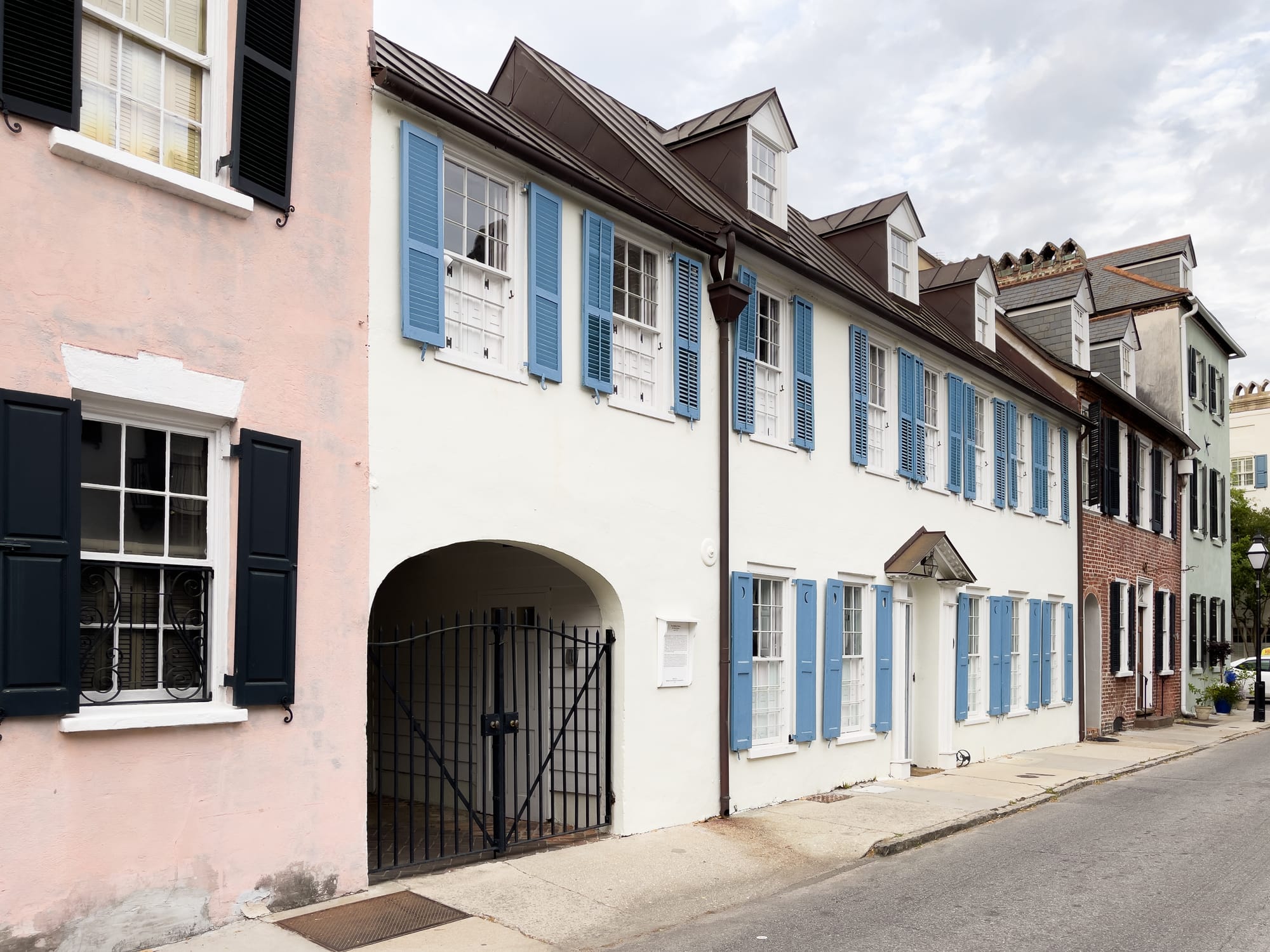
Technically speaking, a townhouse is an attached single-family home. It may or may not have a garage and can be any number of stories, but is usually 2 or 3, perhaps with a partly below-grade “garden level” with outdoor access. While modern large-scale homebuilders often put single-family homes in close proximity with narrow side setbacks—enough to make any lot-line windows useless—they typically avoid the party walls that define townhomes.
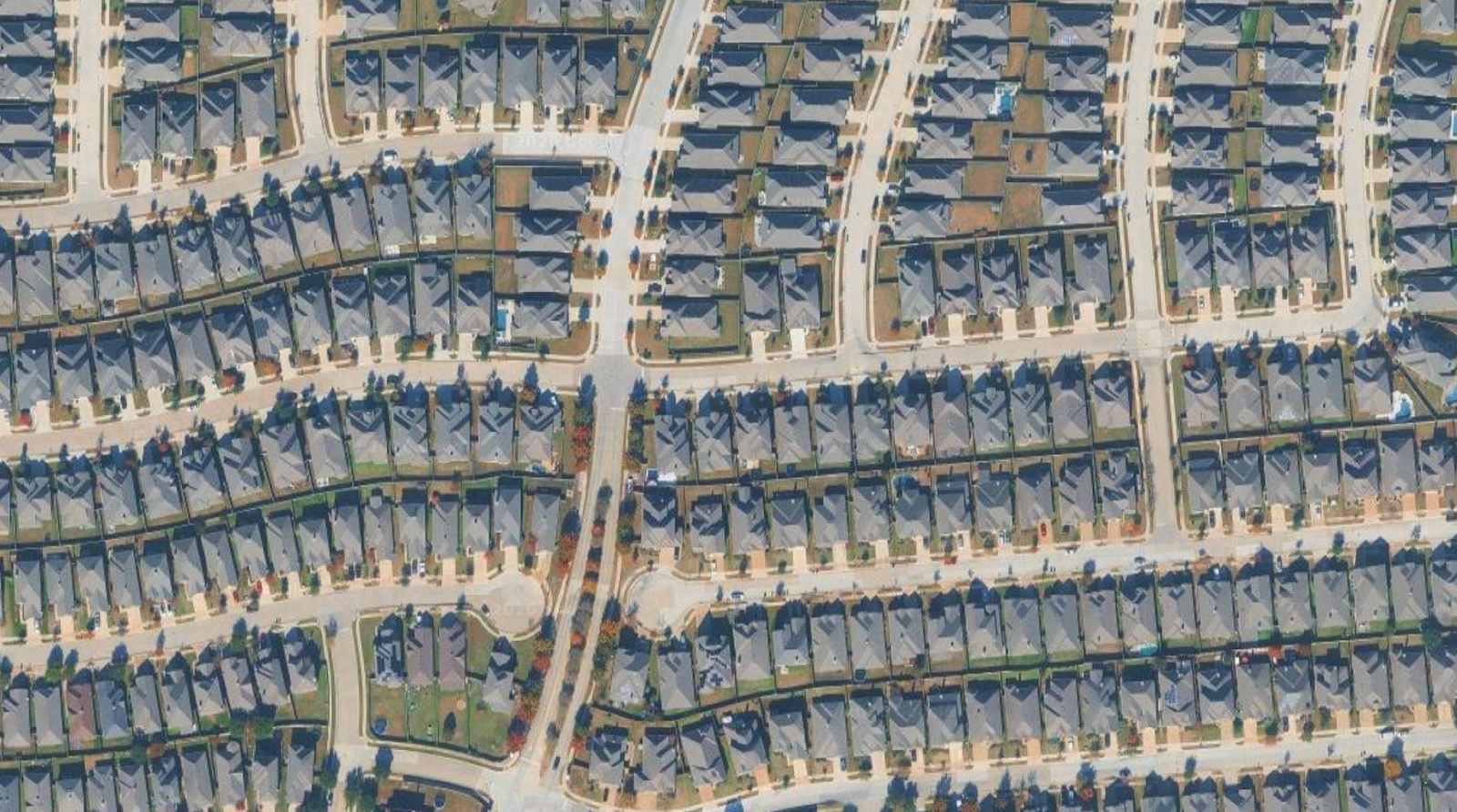
The rise, fall, and potential resurrection of the townhome mirrors the broader arc of U.S. urbanism. Townhouses were produced on greenfield land en masse by developers in the second half of the 19th century as cities expanded and industrialized. Even the now-prized Brooklyn brownstone was initially derided as cookie-cutter, mass-produced, and low-quality.

Office demand is recovering, but speculative development in most markets remains stubbornly out of reach


EG is applying the American real estate private equity playbook to Australia, starting with medical office

Covering the future of real estate and the people creating it