
The Rise of Tour Intelligence
A new generation of companies is betting AI can make the human leasing agent better
A new generation of companies is betting AI can make the human leasing agent better

Tracking three months of notable land use and zoning decisions with Shovels

As real estate's insurance-cost crisis grows, captives gain popularity and embrace membership-club selectivity
The last bastion of unbranded consumer spend is enticing. But is it a dead end?

In a recent interview, Andreessen Horowitz partner David George took a stab at explaining what his firm saw in WeWork founder Adam Neumann’s branded apartment operator Flow, into which A16Z had invested $350 million back in 2022:
“…the average renter in the US spends 30% of their disposable income on rent. And yet it's the only unbranded experience in anyone's life.”
I’m going to take George at his word here. Perhaps that is a little generous; the brand story certainly sounds a lot better than “we’ve gotta get a lot of capital out the door in a short period of time, and venture economics rewards the kind of binary, high-ceiling outcomes that Neumann is likely to generate.”
But this is not the first time I’ve seen the branded multifamily pitch; I’ve heard it from multiple entrepreneurs over the past year. And it’s a pitch I’m quite familiar with on a personal level: I myself gave it in the early days of building Common circa 2015-16. By creating a consistent, high-quality experience and coherent identity across online and physical spaces, one could hypothetically generate a meaningful uplift in consumer demand and therefore rent.
Today, I’m a skeptic.
This letter will explore the role of brand in multifamily—where it can and can’t move the needle, why multifamily’s dynamics make it devilishly hard to create enduring customer-facing brands, and where opportunity may exist.
Before I’m mistaken for some Philistine and our design-loving readers get out their pitchforks, let me clarify: I’m not arguing against good design. Creating places that are welcoming, warm, and memorable is the right choice, and doing it well will drive superior returns.
Unfortunately, the concept of a consumer brand is so alien to much of the real estate industry that many confuse brand with memorable and unique design. Aman has a brand, a coherent identity across physical and digital touchpoints that people seek out across markets. Hyatt is a brand. Dutch Brothers is a brand.
The Collection on Main, the new Class-A multifamily building that started leasing last fall, might be well-designed, but it is not a brand. It does not project a consistent identity that transcends medium and market; a clone of The Collection on Main in a nearby metro would generate no additional lift by being labeled as such.
I’m certainly not arguing that developers themselves can’t build brands targeting investors or buyers. Paul and I here at Thesis Driven run an entire workshop teaching GPs how to build investor-facing brands, so we obviously believe that’s a viable and good path. Brands can also resonate with retail investors and (buyer) end users, as is seen in the recent rise of the branded residence category.
Building a renter-facing brand in multifamily, however, is a different matter entirely.
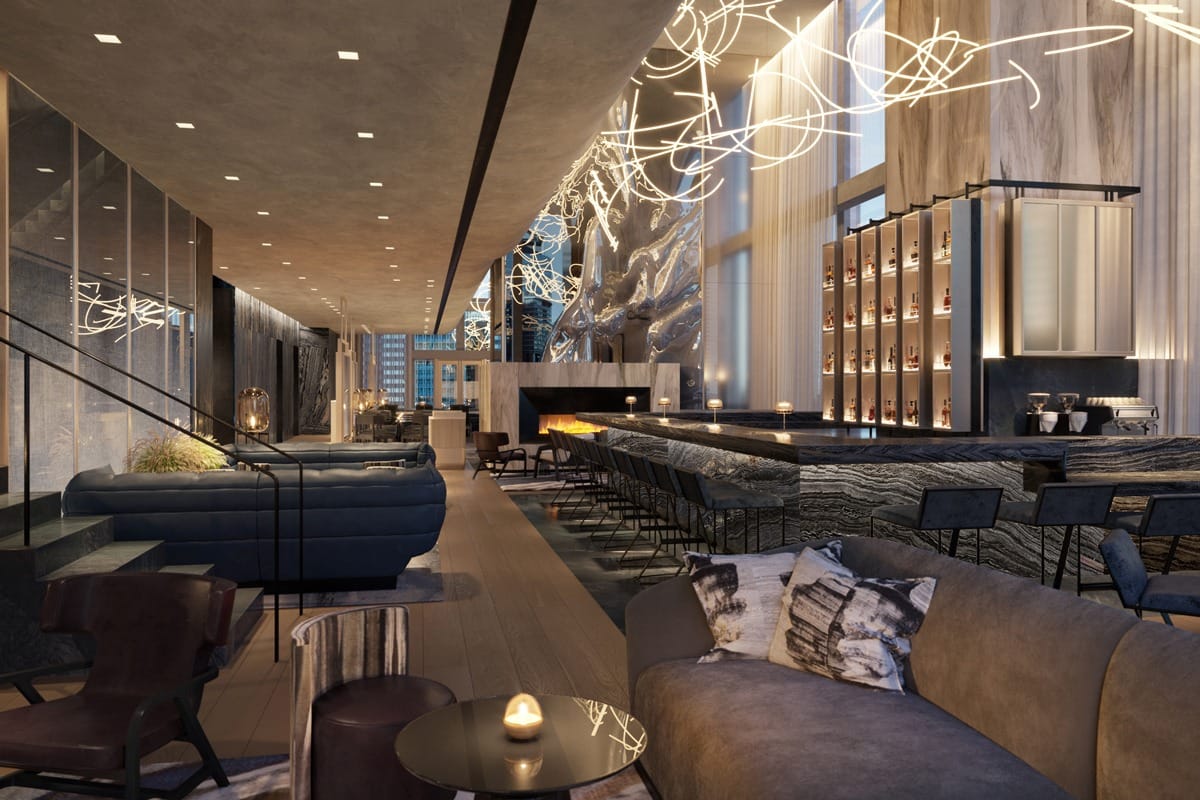
Clearly, there are other segments of real estate where brands resonate, from Aman resorts to the Ferrari World Residences. And “crossover” identities like the Equinox Hotel shows the conceptual power of a brand in the built world.
But multifamily has some quirks that make this very hard.
Less Information Asymmetry
Brands work well when they solve an information asymmetry. When looking for coffee in an unfamiliar place, a consumer doesn’t have the time to fully research all available options and read reviews of local coffee shops. So most will choose a brand they find acceptable – Starbucks, Peet’s, Dunkin, pick your poison – and go there.
Hotel flags traditionally served a similar purpose. A traveler on the road in an unknown city uses a hotel’s brand to ensure they find themselves in a comfortable, clean room at the end of the day in a recognizable environment.
Multifamily does not have this kind of information asymmetry. In general, renters spend a reasonable amount of time researching their options before choosing a place to live. It’s expected that a prospective renter will tour the building, ask a bunch of questions, and compare the unit to nearby options before signing the lease.
In other words, there’s no need for the information “shortcut” that a brand provides. The consumer will do their own work regardless.
Rent, Size, Location
Without the need for a brand as a signifier of quality, renters tend to prioritize other things: rent, size, and location.
ILS platforms like Zillow and Apartments.com – used by the vast majority of prospective renters – only reinforce the unimportance of brand. All apartment searches begin with a desired location and are then filtered by apartment size and rent and further again by a litany of secondary filters.“Search by brand” is not an option, and near-universal use of the “max rent” filter will stymie operators who believe they can beat the market through brand affiliation.
This also means it is extremely difficult for multifamily brands to create self-selecting audiences. Since consumers are mostly picking based on rent, size, and location, even an apartment operator looking to cultivate a highly specific and opinionated brand will find themselves with a lot of ambivalent renters who solely chose the unit based on it being in the right place at the right price.
Limited Touchpoints
Outside of those few based entirely on exclusivity, brands benefit from larger numbers of (positive) touchpoints with consumers and potential advocates. It’s hard to grow a consumer brand if only a few thousand people have used your product, and even harder if a significant number of those customers don’t even care about or identify with the brand.
This is a tremendous headwind, as only a handful of multifamily operators have the kind of consumer scale needed to create a notable brand. And among those operators, many came to their portfolios through acquisition or even third-party management, which makes building a consistent identity nearly impossible. AvalonBay Communities perhaps got the closest of to building a genuine multifamily brand, but the inconsistency of their product today would make executing that brand play challenging.
Even If You Beat All This, You Won’t Get Credit For It
So let’s say you overcome all of the obstacles listed above, and you actually build a mark that resonates across markets and translates to higher rents – a massive success by any metric.
Unfortunately, getting credit for it will be a challenge.
Let’s say you’re a vertically-integrated branded multifamily owner-operator, the best possible position from which to build this kind of brand. In order to return money to your investors, you’ll need to do one of two things: sell the asset or refinance and hold.
Selling the asset presents obvious challenges. One, you’d have to guarantee that the new owner would continue to uphold the brand’s standards. Would the new owner pay a brand license fee? Would they need to keep you, the developer, on as management? You’d need some sort of enforcement mechanism to de-flag the asset if brand standards were violated, and a process to handle the residents of the de-flagged asset. And would the new owner have the right to block the original developer from building an identically-branded asset next door? And if so, for how long?
The hospitality industry has more or less solved all of these problems. But those solutions are wholly foreign to the multifamily sector, and many would be seen as deeply objectionable to buyers and particularly lenders.
Speaking of lenders, the refi-and-hold scenario is not that much prettier. While a perm lender wouldn’t have any particular objection lending on a branded multifamily building, it’s not clear they’d give the developer any credit for an uplift in rents, looking instead at comparable rents in the neighborhood to arrive at a more reasonable valuation than whatever may be implied by above-market rents in branded units.
Clearly, building a brand directly as a multifamily owner-operator is a tremendous challenge – and doing so in a way that generates real economic value might be downright impossible.
But that’s not to say brands don’t have a role to play in the apartment ecosystem–but aspiring brand-builders must take an indirect approach.
Credentialing is the most obvious flank-attack strategy. That is, rather than building a multifamily brand directly, build a stamp of approval that signifies a certain caliber or quality of apartment experience. BILT is probably in the most obvious position to execute on such a strategy, and the proliferation of BILT plaques near the front doors of high-end apartment buildings indicates they’re at least aware of this approach.
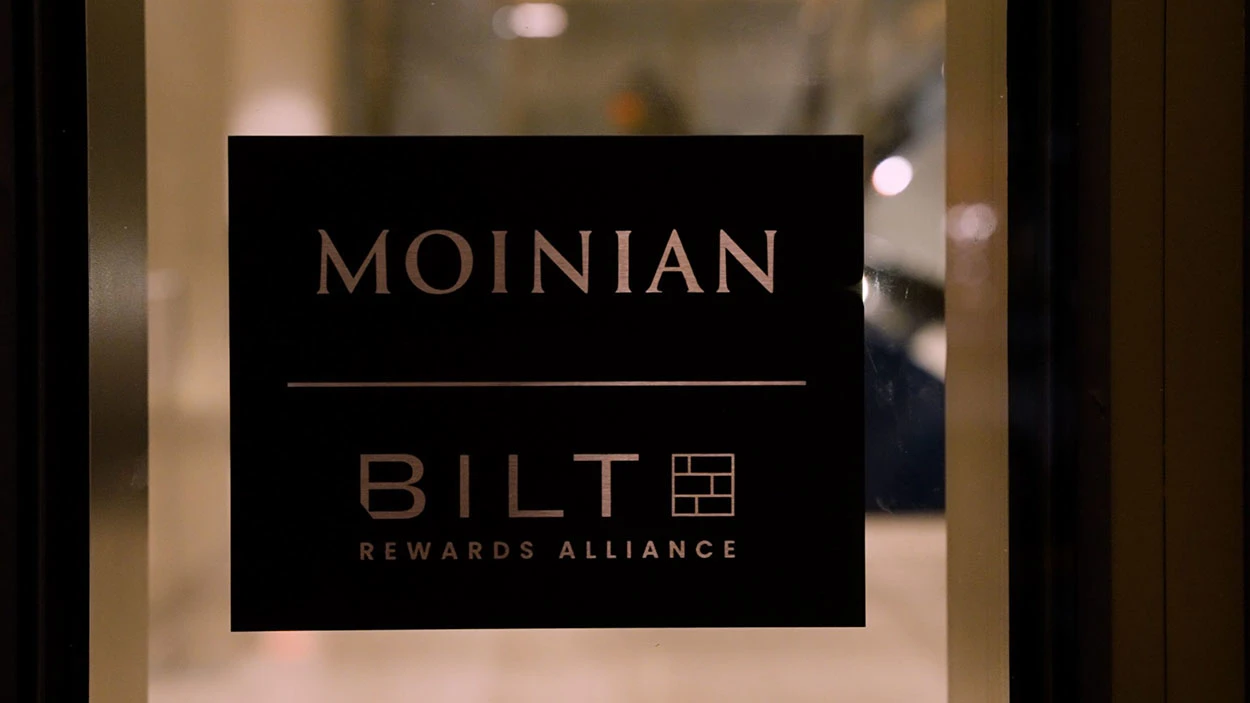
BILT, of course, isn’t the first company to stick a plaque on the outside of someone else’s building. The various certifications – LEED, WELL, etc – have been doing it for some time. But none of them really ever managed to build identities that consumers cared about, nor did they attempt to use their scale to achieve any kind of network effect.
The other route is to simply brute force it through scale, distribution, and economic incentives. Get enough units under control on one big network and make it economically obvious why someone would participate in the branded network rather than defect.
The Amazon Prime strategy, in other words.
With 1.1 million units under management, Greystar is the obvious player to pull this off. We waved our hands at the idea of a Greystar Network when writing about Renew a few weeks ago, but it’s worth resurfacing here. While Greystar assets vary in quality – and almost 90% of them are third-party managed – the benefit of the Amazon Prime strategy is that it does not require brand consistency. The brand is in the value, and the value comes from the network. Move within network, skip the application fees, get 3X rental rewards points on your next lease renewal, 5X if you commit to move in the next 32 hours.
But these kinds of network effect value brands benefit from sharp, quantitative, gamified design. This is not a strong point of anyone in the multifamily sector. Doing it would require outside expertise of a certain type.
(Bob Faith, if you’re reading: hire some game designers and give them free rein. Poach someone with a Ph.D. in econometrics from one the companies that make these things and tell them to design a system that keeps renters with you forever. It’s within your grasp!)
So back to Flow.
I have no special lens into Flow’s business plan or results to date. Their flagship is the former Society Las Olas in Fort Lauderdale, a PMG-developed project completed in 2020 and purchased by an affiliate of Adam Neumann’s family office in 2021. They have five other projects listed on their site, two in South Florida and three in Saudi Arabia.
They appear to be doing a perfectly reasonable job by any conventional brand-building standard. Flow has a consistent identity and a clear customer profile in mind. Their imagery, copy, and physical touchpoints all paint a coherent picture and speak to a specific target user. Now I don’t pretend to know whether the same brand can conceptually appeal to young renters in both Brickell and Riyadh, but I assume they’ve done that work.
But nothing here convinces me they can achieve the escape velocity required to overcome the headwinds outlined above. This is particularly true when so many other developers and operators are all attempting variations of the same theme: fit young people in Alo and Vuori doing yoga and drinking matcha in sepia-toned rooms. While Flow may offer a better and more consistent version of that, it’s not obviously differentiated in the eyes of normies otherwise unfamiliar with the brand and its founder’s unique story.
Case in point, PMG – the original developer of Flow’s flagship Fort Lauderdale property – is delivering Phase 2 of that project in early 2026, which they plan to operate under the resurrected Society Las Olas brand. This new phase is a 450-foot, 563-unit behemoth, markedly larger than the now Flow-branded Phase 1. From the YIMBY article about the project:
Planned features include a coworking hub with private meeting rooms, a sprawling outdoor pool deck with a yoga lawn, and a large-scale fitness center. Society Las Olas will also offer residents regularly programmed events such as fitness classes, panel discussions, and networking gatherings to foster social connectivity.
In other words, Flow will attempt to build this unique brand identity while a newer, larger asset built by the same developer comes to market offering a nearly-identical value proposition and amenity package… 200 feet away.
If anything, Flow fumbled because it merely offered a slightly better-executed version of the same brand direction and target user profile that every Gen Z-oriented multifamily building covets. Wellness-oriented, hip, blending living and working, socially connected, and so on and so forth. And the problem with execution as a defensive moat is that someone can always come along and do it better and shinier, and multifamily buildings don’t exactly look better ten years in.
Want to build a compelling multifamily brand as an owner operator?
You’ve gotta do something different.
Build an asset for shut-in quants who play League of Legends on Friday nights. Super fast tethered connections, minimalist aesthetic, no events. Nobody’s doing that. Build an asset for multigenerational Hispanic families who are combining multiple incomes to afford a high-quality townhome like Scott Choppin at Urban Pacific. Build an asset for remote healthcare workers pulling overnight shifts. Soundproofed bedrooms, blackout shades, 24/7 package and food delivery access, zero daytime noise tolerance. No rooftop yoga. No wine nights. Design around sleep and recovery, not vibes.
All of these are hard. As I said before, I’m not even sure building a multifamily brand that carries weight across markets and time as an owner-operator is possible. But if you’re going to take the direct approach rather than the flank attacks we discussed earlier, it has to be different.

Office demand is recovering, but speculative development in most markets remains stubbornly out of reach


EG is applying the American real estate private equity playbook to Australia, starting with medical office

Covering the future of real estate and the people creating it