
The Rise of Tour Intelligence
A new generation of companies is betting AI can make the human leasing agent better
A new generation of companies is betting AI can make the human leasing agent better

Tracking three months of notable land use and zoning decisions with Shovels

As real estate's insurance-cost crisis grows, captives gain popularity and embrace membership-club selectivity
Our new sister publication brings three brick-and-mortar businesses to your inbox every week

This week’s regular Thesis Driven letter came out on Tuesday and focused on the evolving role of branding in real estate. You can find it here. This note is about Thesis Driven’s expansion and future.

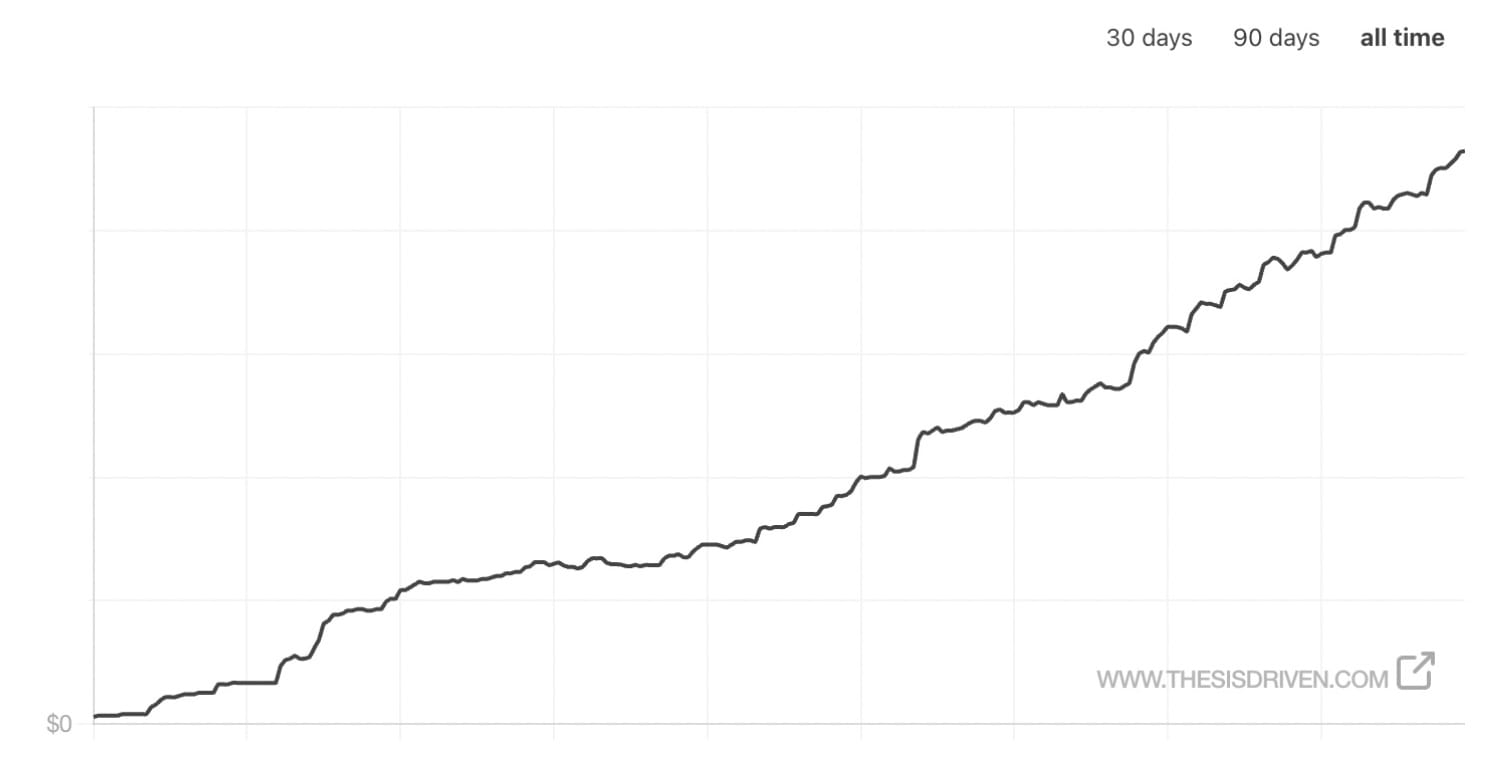
Since launching late last year, Thesis Driven has welcomed many hundreds of new paying subscribers and become one of the twenty largest business publications on Substack. Despite a chilly venture market for real estate tech, our focus on innovation in the built world has resonated with readers well beyond our expectations.
Today, we’re announcing the second publication in the Thesis Driven family: Sticks & Bricks.
Sticks & Bricks is the publication for entrepreneurs building or buying brick-and-mortar operating businesses. While Thesis Driven focuses on innovation in the built world, it’s not exactly tailored to the interests of someone buying laundromats or launching a pet daycare franchise—who has little in common with a multifamily GP or an institutional allocator. Sticks & Bricks is for the cash flow entrepreneurs of the built world, those creating the companies that venture capitalists like to call “lifestyle businesses.”
While Thesis Driven is high-depth but (relatively) low volume, Sticks & Bricks is the opposite: three bite-sized overviews of brick-and-mortar cash flow business ideas in your inbox every week. Letters will rarely stretch over 1,000 words, but each will come with an example P&L and (if applicable) guidance on typical purchase multiples in the sector. Given its broader audience, Sticks & Bricks subscriptions are a bit less expensive—$8 per month. Over time, Sticks & Bricks will add more tactical content, digging into business analysis, operations, finance, and more.
While the days of VC-backed brick-and-mortar businesses is likely over for some time, I’m a believer in the opportunity of “real world” businesses for a few reasons:
This isn’t to say software isn’t important; rather, software has a key role to play in making brick-and-mortar businesses more successful. Software and online distribution in marketing, finance, operations, and more have made real-world businesses easier and cheaper to operate. And not competing against venture-backed competitors willing to operate unprofitable locations will be a tailwind for most entrepreneurs.
When I’m not writing Thesis Driven (or helping organize Play NYC, New York’s largest indie games conference), I’ve been spending time on a new product that will be a companion to the Thesis Driven newsletter: the largest database of real estate developers and the products they’re each building. I expect it’ll be ready for showtime this Fall, but shoot me an email (brad@thesisdriven.com) if you’d like to be in the private beta.
I’d be lying if I said I knew where Thesis Driven is headed. But I admire Packy McCormick’s hustle (Not Boring), Jessica Lessin’s savvy (The Information), and Andrew Florance’s vision (CoStar) and how they’ve each built their businesses. Content, data, and software tools can all have a mutually-beneficial and reinforcing effect in helping leaders, operators, and entrepreneurs run their businesses.
We couldn’t be here without all of you, our subscribers. Thanks for being a part of Thesis Driven; there’s much more to come.
—Brad Hargreaves
Thesis Driven is a reader-supported publication. To receive new posts and support my work, consider becoming a free or paid subscriber.

Office demand is recovering, but speculative development in most markets remains stubbornly out of reach


Covering the future of real estate and the people creating it
